Three Flowers Embroidery Design Review
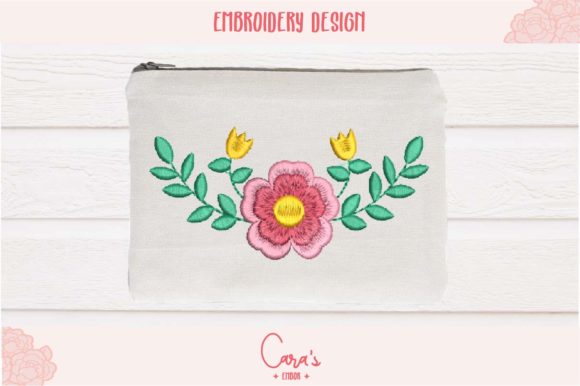
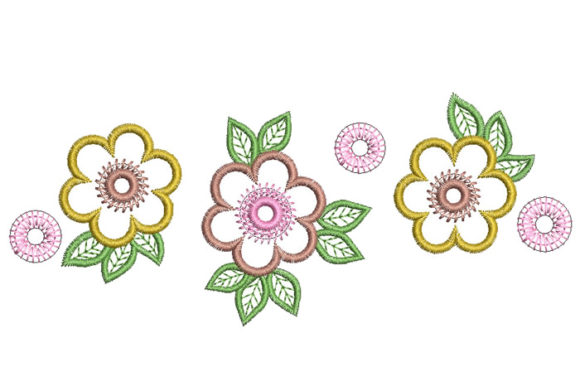
I spend a lot of time looking at digital embroidery files before they ever hit my sewing machine. As an experienced designer preparing for the upcoming craft fair season, I know that the difference between a design that sits on a shelf and one that sells out by noon comes down to visual impact, production practicality, and market fit. Today, I am reviewing Three Flowers, a simple and pretty floral embroidery design described as perfect for projects needing a fresh touch. I want to break down exactly how this machine embroidery design performs when turned into tangible craft fair products.
First Impressions: Freshness Meets Simplicity
The description highlights "simple and pretty," which is code for high commercial viability. In the world of handmade goods, complexity can sometimes alienate buyers who prefer clean, modern aesthetics. Three Flowers feels soft, minimal, and decorative without being overwhelming. It does not scream for attention; rather, it invites the customer to lean in closer.
For a booth display, this subtlety is a strength. When customers walk past a table cluttered with loud, busy patterns, a design like Three Flowers stands out because it offers a moment of calm. It fits seamlessly into the farmhouse, rustic, and modern boutique styles that dominate platforms like Etsy and local markets. It is not funny or festive in a holiday sense, but it carries a timeless elegance that appeals to a broad demographic, from young brides to seasoned home decorators.
Product Application: Where Three Flowers Shines
To determine if a design is worth stocking, I imagine it on specific items. Here is how Three Flowers translates across various categories:
- Tote Bags and Market Bags: This is perhaps the strongest application. A small cluster of three flowers placed off-center on a canvas tote bag creates a sophisticated tote bag design. It photographs beautifully for online listings and looks premium in person. The simplicity allows the texture of the canvas to show through, enhancing the handmade quality.
- Apron Embroidery: Placing the motif near the pocket or just above the waistband on a linen apron adds a touch of charm. It transforms a utilitarian item into a giftable handmade product. Because the design is not overly dense, it remains comfortable against the body and durable through washes.
- Tea Towel Embroidery: Linen and cotton tea towels are staples at craft fairs. Three Flowers works exceptionally well here. It provides a "fresh touch" to kitchen decor. If stitched in contrasting thread colors, it pops against neutral backgrounds, making it an impulse buy for customers browsing your small shop product selection.
- Embroidered Patches and Caps: The compact nature of the design makes it ideal for iron-on patches or center-front placement on baseball caps. However, you must ensure the flower stems or petals are large enough to be legible on a curved cap surface. On a patch, it serves as a cute accessory for denim jackets or backpacks.
- Pillow Covers and Home Decor: For pillow covers, the design adds a focal point without dominating the fabric. It pairs well with solid-colored fabrics, allowing the embroidery file to be the star. This is a great way to upsell customers who have already bought a towel or tote.
Production Practicality and Visual Appeal
From a production standpoint, simplicity is king. Designs that are too intricate often lead to long hooping times and higher failure rates due to thread breaks. Three Flowers appears to have a manageable stitch count, which means faster turnaround times per unit. This efficiency directly impacts your profit margin at a busy weekend fair.
When photographing these items for your Etsy seller account or social media, the clean lines of the design will render sharply. It creates a professional look that suggests high value. Customers associate neat, clear stitching with quality craftsmanship. A design like this reinforces brand consistency, signaling that your shop curates thoughtful, aesthetically pleasing items.
Furthermore, its versatility allows for batch production. You can create multiple variations using different thread colors—pastels for spring, earth tones for autumn—while keeping the base design constant. This reduces decision fatigue and streamlines your workflow.
Important Considerations for Clarity
While the design is praised for its simplicity, there are technical caveats to watch for. Always inspect the stitch density carefully. If the flowers rely on tiny details or very thin lines, they may lose clarity when stitched on textured fabrics like terry cloth towels or heavy denim. Ensure that the individual petals are large enough to hold their shape.
Additionally, consider the background fabric. On dark fabrics, you will need a strong contrast in your thread colors, possibly requiring a cut-away stabilizer to prevent puckering. If the design includes any lettering or fine stems, test it at the smallest size you intend to sell. Small text often becomes illegible in embroidery, so stick to the floral elements for the best results.
Designer’s Checklist for Success
Before committing to a full run of commercial embroidery products, follow these essential steps:
- Test on Scrap Fabric: Never assume a design looks good until it is stitched. Test on the exact fabric types you plan to use, such as linen, cotton, or canvas.
- Check Hoop Size: Confirm the required hoop size matches your machine. A design that requires a large hoop may limit where you can place it on smaller items like pouches.
- Review Stabilizer Needs: Use the right stabilizer for the fabric weight. Lightweight fabrics may need tear-away, while stretchy knits require cut-away to maintain integrity.
- Create Mockups: Generate a printable mockup to visualize the scale. Does the design look balanced? Is it too sparse or too crowded?
- Verify Licensing: Most importantly, confirm commercial licensing terms. Ensure you are legally permitted to sell finished goods made from this digital embroidery file. Without proper rights, your hard work could be jeopardized.
Final Verdict
Three Flowers is a versatile, elegant addition to any embroiderer’s library. Its "fresh touch" makes it suitable for a wide range of design assets aimed at the handmade market. Whether you are creating finished product inventory for a physical booth or listing design assets for other creators, this design offers high potential for sales. It balances aesthetic appeal with production ease, making it a smart choice for savvy crafters looking to maximize their output without sacrificing quality. By testing thoroughly and presenting it well, Three Flowers can become a standout item in your collection.