Sunflower Lineart Design Review
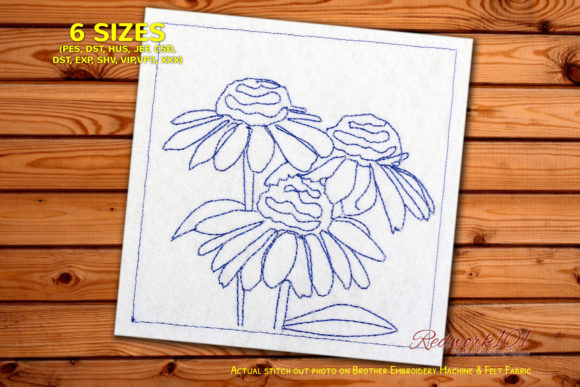
As an embroidery designer who spends countless hours evaluating digital assets for commercial viability, I approach every new file with a critical eye. The market is saturated with decorative designs, but few possess the balance of aesthetic appeal and technical reliability required for small business merch. Today, I am reviewing the Sunflower Lineart Design, a piece from the Single Flowers category that promises to bring a touch of summer to your projects. This review focuses on its potential application in branded merchandise, embroidered patches, uniforms, and high-volume production runs.
First Impressions: Visual Personality and Brand Fit
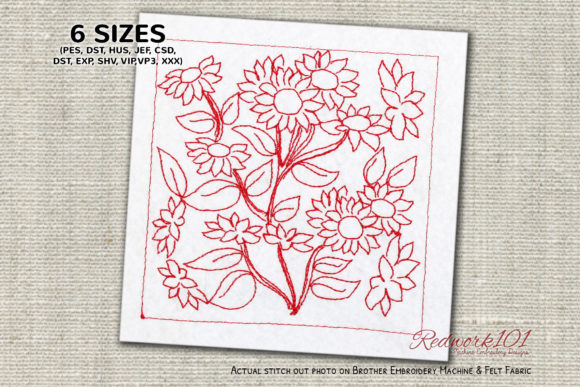
The term "Lineart" immediately signals a specific design philosophy: minimalism, clarity, and modern elegance. Unlike dense, fill-stitch florals that can look heavy or dated, lineart relies on clean outlines and negative space. When I first analyzed the Sunflower Lineart Design, the immediate impression was one of professional friendliness. It feels rustic yet polished, making it versatile enough for a variety of brand identities.
For a boutique café, this design suggests warmth and artisanal quality. For a handmade jewelry shop, it implies natural materials and organic beauty. The description notes that the design will "invite summer into your projects," which is a strong emotional hook for seasonal collections. However, from a branding perspective, its strength lies in its adaptability. It is not overly playful, nor is it strictly corporate. It sits comfortably in the "premium handmade" niche, which is exactly where many Etsy sellers and craft business owners need their visual assets to reside. The optional Box Stitch mentioned in the product details adds a layer of textural interest without compromising the clean lines, allowing designers to choose between a flat, graphic look or a more tactile, traditional embroidery feel.
Real-World Business Applications
How does this Sunflower Lineart Design perform when moved from screen to fabric? In my experience, lineart designs are among the most reliable for commercial embroidery because they translate well across different mediums. Here is how I see this design functioning in real business scenarios:
- Embroidered Patches: The clean outline makes this an excellent candidate for iron-on or sew-on patches. Whether used as a logo on a denim jacket or a label on a tote bag, the lineart style ensures legibility even at smaller sizes. It works beautifully as a standalone mark for brand recognition.
- Staff Uniforms and Aprons: For bakeries, florists, or creative studios, subtle branding is often preferred over large, loud logos. Placing the Sunflower Lineart Design on the chest of a work shirt or the pocket of an apron provides a touch of personality without overwhelming the garment. It enhances the brand identity by suggesting care and attention to detail.
- Tote Bags and Caps: Canvas totes are a staple for small businesses. A single sunflower lineart motif looks sophisticated against natural canvas or bold solid colors. Similarly, for cap embroidery, the simplicity of the design prevents clutter on the curved front panel, ensuring the logo remains crisp and readable.
- Product Packaging and Labels: Beyond apparel, this embroidery file can be used on hangtags, clothing labels, or gift boxes. Adding a small embroidered accent to packaging elevates the perceived value of the handmade product, encouraging customer retention and social media sharing.
This versatility makes the design a valuable asset for product designers looking to create cohesive collections. It can serve as a recurring motif across different items, creating visual consistency that strengthens customer trust and recognition.
Strategic Considerations and Limitations
No design is perfect for every application. As a reviewer, I must highlight where caution is needed. While lineart is generally robust, certain conditions can challenge the integrity of the Sunflower Lineart Design.
First, consider scale. If you intend to use this design for very small patches or fine detailing on tiny lettering, you must evaluate the stitch density carefully. Thin lines can sometimes merge or become illegible if the resolution is too low or the hoop size is restricted. Always test the design at its intended final size before committing to bulk production.
Second, fabric texture plays a significant role. On highly textured fabrics like thick wool or loose-weave burlap, the clean lines may distort. Smooth cottons, poly-cotton blends, and canvas provide the best surface for maintaining the sharpness of the lineart. Additionally, dark uniforms require careful thread color selection. A white or light-colored lineart design might get lost on black fabric unless a contrasting backing or underlay is used.
Finally, frequent washing is a factor for items like aprons and work shirts. Ensure that the stabilizer used during production is properly removed and that the threads are secured to prevent unraveling over time. The durability of the finished product directly impacts your reputation as a seller.
Impact on Brand Identity and Customer Trust
In the world of small business, perception is reality. Using a high-quality, professionally executed design like the Sunflower Lineart Design signals professionalism. It tells the customer that you care about the details. A crisp, well-stitched sunflower on a tote bag or apron creates a positive tactile experience, enhancing buyer engagement and fostering loyalty.
Furthermore, the modern aesthetic of lineart aligns with current trends in minimalist branding. It appeals to consumers who appreciate understated elegance over flashy graphics. By incorporating this design into your custom apparel or merchandise, you are not just selling a product; you are selling a lifestyle associated with nature, simplicity, and quality. This emotional connection is what drives word-of-mouth marketing and repeat business.
Practical Designer Notes for Production
Before integrating the Sunflower Lineart Design into your production workflow, I recommend following these practical steps to ensure success:
- Test in Black and White: Convert the design to monochrome to check contrast and spacing. This helps identify any areas where stitches might overlap excessively or leave gaps.
- Check Hoop Size and File Format: Verify that the digital embroidery file fits within your standard hoop sizes. Ensure you have the correct format for your machine (e.g., PES, DST, EXP) and confirm the hoop size limitations.
- Stabilizer Selection: Use the appropriate stabilizer for your fabric type. Cut-away stabilizers are generally recommended for woven garments and frequent washing, while tear-away may suffice for temporary items like event merch.
- Fabric Mockups: Create a printable mockup or stitch out a sample on the actual fabric you plan to use. This allows you to assess how the thread colors interact with the material and adjust tension if necessary.
- Commercial Licensing: Crucially, confirm the licensing terms. Ensure you have the right to use the design for commercial embroidery and resale purposes. Do not assume that purchasing a file grants unlimited commercial rights.
- Review Stitch Density: Inspect the design settings to ensure the stitch density is appropriate for the fabric weight. Too dense, and the fabric may pucker; too sparse, and the background may show through.
By treating the Sunflower Lineart Design with the same rigor as any other critical business asset, you can leverage its aesthetic appeal to enhance your brand’s visual presence. It is a simple design, but its impact on the finished product can be profound, turning everyday items into memorable branded experiences.