Fresh Coneflower Lineart Design Review
As an embroidery designer who spends countless hours evaluating digital files for boutique collections, I am always looking for that perfect balance between artistic flair and technical feasibility. When browsing Creative Fabrica embroidery options for my latest seasonal collection, the Fresh Coneflower Lineart Design caught my eye. It promises a clean, botanical aesthetic that feels both timeless and modern. For those of us building small clothing brands or managing Etsy shops, finding designs that translate well from screen to fabric is crucial. This review breaks down how this specific design might perform on everything from oversized hoodies to structured denim jackets.
First Impressions: Visual Mood and Aesthetic
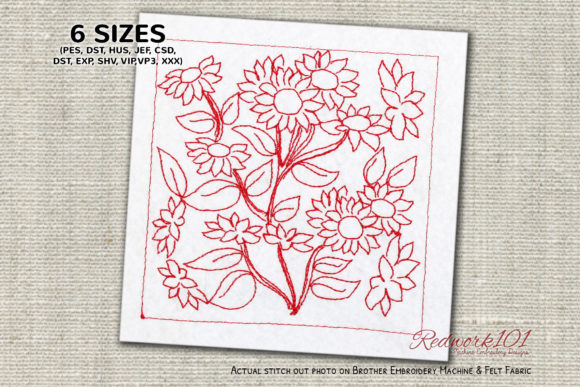
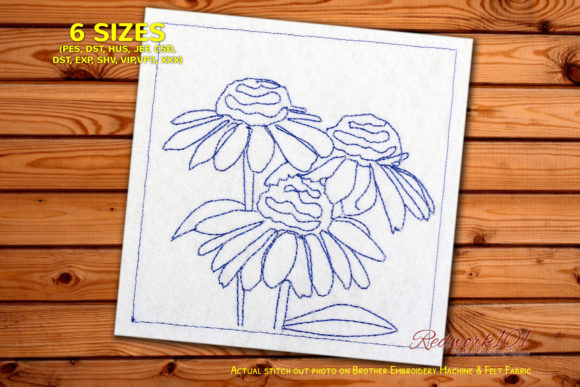
The moment you look at the Fresh Coneflower Lineart Design, it communicates a sense of effortless elegance. The line art style suggests a minimalist yet detailed approach, which is currently trending in the handmade apparel market. Unlike heavy fill-stitch flowers that can feel dated or overly dense, this design relies on clean outlines to define the coneflower’s unique structure. It feels premium without being fussy, making it versatile enough for a wide range of demographics.
In terms of visual personality, this design strikes a chord with the "cottagecore" and "modern rustic" aesthetics that dominate social media graphics and lifestyle product photos. It is not overly cute or childish; rather, it has a sophisticated edge that appeals to adults looking for quality custom apparel. The decorative strength lies in its simplicity. It allows the garment’s color to play a significant role in the final look, meaning the same file can yield completely different vibes depending on whether it is stitched on a sage green sweatshirt or a classic black tee.
Performance on Boutique Apparel and Sweatshirts
My primary focus when testing new files is their application on knitwear and heavier fabrics. The Fresh Coneflower Lineart Design shows great promise for sweatshirt embroidery. On neutral-colored sweatshirts, such as heather grey or oatmeal, the line art provides a crisp contrast that elevates the basic garment into a statement piece. It works exceptionally well for chest placement, offering a subtle brand mark that doesn’t overwhelm the wearer.
For hoodie design applications, this file is particularly effective. I envision using it for sleeve accents, where the narrower width of the cone flower fits perfectly along the seam without bunching. It also translates beautifully to back designs on oversized garments. Because the design is likely open (given the line art description), it breathes well on large canvas areas like the back of a hoodie, creating a focal point that draws the eye without feeling cluttered. It adds a touch of femininity and nature-inspired charm that resonates with customers seeking cozy, seasonal outfits.
Beyond hoodies, this embroidery file is adaptable. On t-shirts, it offers a lightweight alternative to heavy prints, providing texture and durability. For tote bag designs, the botanical theme aligns perfectly with the eco-friendly narrative often associated with canvas bags. It serves as excellent boutique merchandise that customers are proud to carry, effectively turning them into walking billboards for your brand identity.
Expanding Beyond Clothing
While apparel is the main draw, the versatility of this machine embroidery design extends to other products. It works well on denim jackets, adding a personalized touch to vintage or new washes. The clean lines ensure that even on textured denim, the design remains legible and sharp. This adaptability is key for Etsy sellers and small shop product creators who want to offer a cohesive collection across multiple item types.
Strategic Considerations and Placement Challenges
While the aesthetic appeal is high, a professional designer must consider the practicalities of production. There are specific areas where the Fresh Coneflower Lineart Design requires careful handling. First, consider small chest placements on fitted garments. If the design is too wide, it may distort the silhouette. Always check the hoop size requirements before committing to a placement strategy.
Dense stitch areas should be avoided if possible, although line art typically minimizes this risk. However, if the design includes any internal detailing, ensure that the stitch density is appropriate for the fabric. On stretchy fabrics like thin fleece or ribbed cuffs, excessive stitching can cause puckering. I recommend avoiding placement directly over seams or curved surfaces where the fabric tension varies significantly. Tiny lettering, if included, should be verified for readability after stitching, especially on dark garments where thread contrast is critical.
When working with dark garments, thread color choice becomes paramount. A white or light cream thread will pop against black or navy, while a muted tone might get lost. Test your thread colors against the actual garment fabric to ensure the visual impact matches your vision. Additionally, be mindful of fabric texture; highly textured fabrics can obscure fine line details, so smoother blends often yield the best results for this type of design.
Impact on Brand Value and Customer Trust
Using high-quality designs like the Fresh Coneflower Lineart Design directly impacts your finished product value. Customers associate neat, precise embroidery with professionalism and care. When a buyer sees a consistent, well-executed design on a hoodie or tote, it builds trust in your handmade product. It signals that you pay attention to detail, which is essential for visual consistency across your store.
This level of quality enhances product recognition. If your brand is known for clean, botanical embroidery, every piece reinforces that image. Furthermore, aesthetically pleasing embroidered items generate higher engagement on social media. Users are more likely to share photos of their new purchases if the design looks polished and stylish, providing free marketing for your commercial embroidery business.
Practical Designer Notes for Production
Before adding this design to your production queue, follow these essential steps:
- Test on Scrap Fabric: Always run a test stitch on a scrap of the exact fabric you plan to use. This reveals how the thread interacts with the material.
- Check Stabilizer Choice: Use a stabilizer that matches the weight of your garment. For sweatshirts, a cut-away stabilizer is often necessary to prevent distortion over time.
- Review Thread Contrast: Ensure the chosen thread stands out clearly against the garment color, especially for line art where definition is key.
- Confirm Hoop Size: Verify that your machine hoop can accommodate the design dimensions comfortably.
- Inspect Stitch Density: Look closely at the digitization to ensure stitches are not too close together, which can cause bulkiness.
- Test on Similar Garment Fabric: If you cannot test on the final garment, use a similar fabric type to gauge performance.
- Compare Placement Options: Mock up the design on different parts of the garment to see what looks most balanced.
- Check Licensing: Review the Creative Fabrica product details carefully. Confirm the licensing terms for digital embroidery file usage before selling finished apparel to avoid legal issues.
By taking these precautions, you ensure that the Fresh Coneflower Lineart Design delivers the professional finish your customers expect. Whether you are creating a limited edition drop or expanding your catalog, this design offers a reliable, stylish option for your next collection. It bridges the gap between artistic expression and commercial viability, making it a valuable asset for any serious embroidery entrepreneur.