Lily Embroidery Design Review: Elevating Boutique Sweatshirts
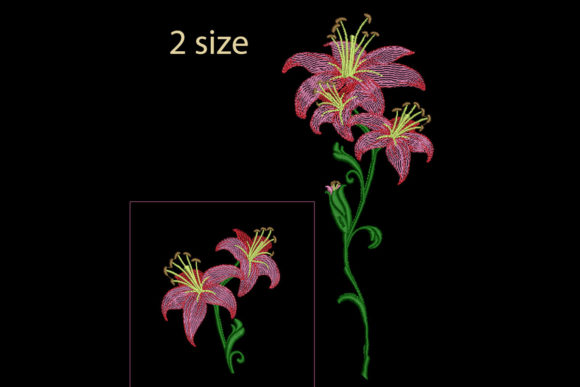
As an embroidery designer who has spent years translating digital concepts into tactile realities, I am always looking for that perfect intersection of simplicity and sophistication. Today, I am reviewing a design file titled Lily. At first glance, the description suggests a versatile asset: "wonderful embroidered lilies" suitable for dresses, blouses, and t-shirts. However, my focus today is different. I want to explore how this specific Single Flowers category piece performs when applied to a more challenging and commercially viable medium: premium sweatshirt apparel.
We are preparing a limited drop for a small online boutique brand, focusing on cozy seasonal wear. The goal is to determine if Lily possesses the visual weight and aesthetic charm required to stand out in a saturated market like Etsy or independent Shopify stores. Here is my professional evaluation of this embroidery file as a potential hero design for our next collection.
First Impressions: Mood and Aesthetic Analysis
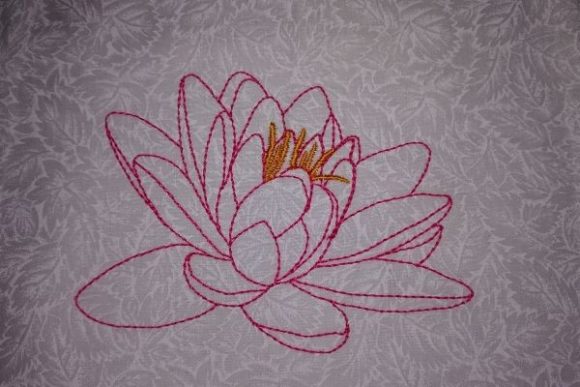
The name Lily immediately evokes a sense of purity, elegance, and softness. In the world of machine embroidery design, floral motifs can easily veer into the territory of being overly busy or dated if not executed with clean lines. My initial assessment of the design layout suggests a balanced composition. It does not scream for attention; rather, it invites the viewer to look closer.
For a boutique brand targeting creative entrepreneurs and fashion-forward consumers, the mood of Lily strikes a chord between rustic charm and modern minimalism. It feels feminine without being frilly, and bold enough to serve as a statement piece on neutral fabrics. When we imagine this design placed on a garment, it brings a touch of organic beauty that contrasts beautifully with the structured, heavy nature of knitwear. This juxtaposition is key to creating a high-end feel.
The detail level appears sufficient to hold its own on textured surfaces. Unlike delicate lace patterns that might get lost in thick fleece, Lily seems to have enough structural integrity to maintain its shape and definition. This is crucial for custom apparel where the finished product must look polished, not amateurish.
Application on Sweatshirts and Hoodies
Sweatshirt embroidery presents unique challenges compared to woven fabrics like cotton or linen. The fabric is thicker, often looped, and stretches. Therefore, the stitch density and placement of Lily become critical factors in its success.
Chest Placement and Oversized Fits
I envision Lily positioned on the left chest area of oversized hoodies. This is a staple location for Etsy seller listings because it offers subtle branding that doesn’t overwhelm the silhouette. On a cream or oatmeal-colored sweatshirt, the lilies would pop with gentle contrast, creating a soft, inviting look perfect for spring collections. Conversely, placing them on charcoal or navy blue fabric would lend a more sophisticated, evening-ready vibe, suitable for cooler seasons.
The design’s scale is vital here. If the Lily motif is too small, it will disappear into the fabric texture. If it is too large, it may distort the drape of the hoodie. Based on standard proportions for this type of floral asset, it likely falls into the sweet spot for chest placement—large enough to be seen in lifestyle product photography but small enough to remain elegant.
Sleeve Accents and Back Designs
Beyond the chest, Lily shows immense versatility as a sleeve accent. A smaller repetition of the lily along the cuff or running down the side seam adds a playful, decorative touch that customers love to discover. For back designs, a centered placement could work beautifully on pullover styles, offering a focal point that complements the casual nature of the garment. This flexibility allows us to create a cohesive collection where the same design assets are used across multiple SKUs, maximizing our production efficiency.
Practical Designer Concerns: Technical Execution
While the aesthetic appeal is clear, a successful commercial launch depends on technical execution. Here are the practical considerations for bringing Lily to life on commercial embroidery projects.
- Thread Color Contrast: To achieve a premium look, thread selection is paramount. On light fabrics, using tonal threads (e.g., white lilies on ivory) creates a subtle, luxurious effect. On dark fabrics, metallic or bright pastel threads can make the flowers shine. We must test various thread colors to ensure the petals and leaves read clearly against the background.
- Stabilizer Choice: Sweatshirts require robust support. A cut-away stabilizer is non-negotiable for this application to prevent puckering and distortion during washing. The stitch density of Lily must be dense enough to anchor itself into the fabric but not so heavy that it creates a stiff patch on the wearer’s skin.
- Fabric Texture and Hoop Placement: The looped texture of fleece can sometimes obscure fine details. We need to ensure the hoop size accommodates the entire design without cutting off any elements, while also allowing for proper tension. Testing on different fabric thicknesses—from lightweight jersey blends to heavyweight French terry—is essential to verify readability.
- Washing Durability: As a handmade product intended for daily wear, durability is key. The design should withstand multiple wash cycles without thread breakage or color bleeding. High-quality polyester embroidery threads are recommended to maintain vibrancy over time.
Please note: Specific technical details such as exact stitch counts, file formats, and license terms are not provided in the basic description. Before production, you must verify these details to ensure compatibility with your embroidery machine and adherence to commercial usage rights.
Impact on Brand Identity and Sales
In the digital age, visual recognition is everything. A well-executed Lily design on a sweatshirt can significantly enhance your brand identity. It signals quality and attention to detail, which builds buyer trust. When customers see a crisp, beautiful embroidery job, they perceive higher value in the small shop product, justifying a premium price point.
Furthermore, Lily lends itself perfectly to social media marketing. The contrast between the soft fabric and the intricate stitching makes for compelling content. Imagine Instagram reels showing the hooping process, the trimming of threads, and the final reveal of the finished product. These moments drive customer engagement and help convert viewers into buyers.
For digital sellers and crafters, offering Lily as part of a curated collection allows for cross-selling opportunities. You can pair sweatshirts with matching tote bags or beanies, all featuring the same lily motif. This consistency strengthens your boutique brand and encourages repeat purchases.
Conclusion
In summary, Lily is more than just a floral pattern; it is a versatile tool for elevating everyday apparel. Its elegant simplicity and strong visual presence make it an excellent candidate for boutique sweatshirt collections. By paying close attention to thread selection, stabilizer use, and placement, you can transform this embroidery design into a standout item that resonates with customers seeking quality and style.
Whether you are an Etsy seller looking to expand your catalog or a creative entrepreneur building a new line, Lily offers the potential to create memorable, wearable art. Just remember to check the specific file requirements and licenses before diving into production. With careful execution, this design can become a signature element of your brand’s aesthetic, blending the warmth of handmade craft with the polish of professional design.