Cactus Embroidery Review for Boutique Sweatshirts
As an embroidery designer who spends countless hours evaluating digital assets before they hit the production floor, I am always looking for that perfect balance between aesthetic appeal and technical feasibility. When I first laid eyes on the Cactus design, intended for our upcoming limited-edition sweatshirt drop, I knew it had potential. This pretty cactus embroidery will bring summer vibes into your designs, but can it translate effectively to heavier fabrics like fleece and French terry? After a rigorous mental mockup session and some preliminary testing thoughts, here is my professional review of how this Single Flowers category piece performs in a real-world commercial context.
First Impressions: Mood and Aesthetic
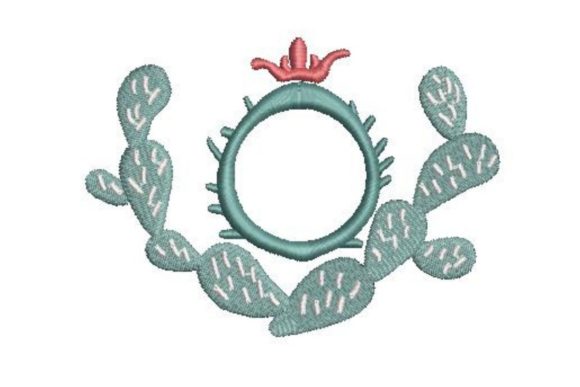
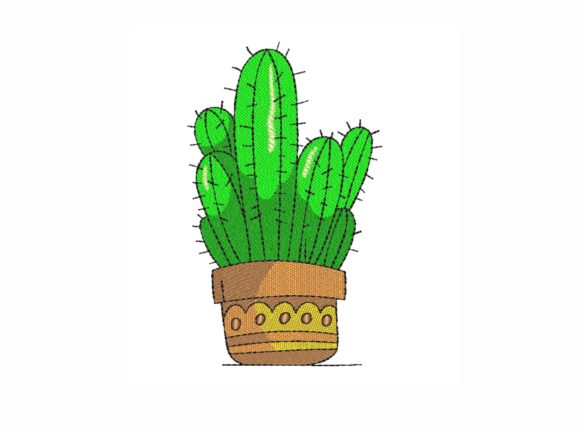
The moment you look at the Cactus design, it exudes a playful yet grounded energy. It isn’t just a generic plant icon; it has personality. For a small boutique brand aiming for a cozy, rustic, or perhaps slightly bohemian vibe, this design hits the right notes. The layout feels balanced, suggesting a central chest placement or a larger back print would work beautifully. The description promises "summer vibes," which translates to a lightness in the visual weight of the stitches. It avoids being overly dense or heavy, which is crucial when we are talking about sweatshirt embroidery.
I envision this design not as a loud statement, but as a subtle detail that invites closer inspection. It feels feminine without being frilly, and bold enough to stand out against textured fabrics. For an Etsy seller or a small shop product owner, this versatility is gold. It bridges the gap between casual wear and curated fashion, making it suitable for customers who want their apparel to feel personal and handmade.
Application on Premium Apparel
Let’s talk specifics. We are planning a collection of neutral sweatshirts, dark fabric options, and pastel-colored oversized hoodies. How does Cactus perform in these scenarios?
- Neutral and Pastel Tones: On oatmeal, sage green, or soft lavender hoodies, the Cactus design will pop with clarity. The contrast allows the intricate details of the flower petals and cactus spines to remain visible. This is ideal for lifestyle product photography, where the texture of the thread needs to catch the light.
- Dark Fabrics: On charcoal or black sweatshirts, you will need to be strategic with your thread colors. A bright white or metallic gold thread choice could elevate the design from cute to premium. However, if the design relies too heavily on thin lines, readability might suffer. I recommend checking the stitch density closely here to ensure the background fabric doesn’t show through.
- Oversized Hoodies: This design works exceptionally well for hoodie design applications. Whether placed on the left chest for a minimalist look or centered on the back for a statement piece, the scale of the Cactus pattern seems adaptable. It adds a touch of whimsy to the otherwise utilitarian silhouette of an oversized hoodie.
Technical Considerations for Commercial Use
For any commercial embroidery project, aesthetics are only half the battle. The other half is durability and execution. As a designer reviewing this for a boutique brand, I have several practical concerns that every embroidery file user should consider.
Stitch Density and Fabric Texture
Sweatshirts are thick, looped fabrics. If the Cactus design has areas of high stitch density, the needle penetration might be difficult, leading to skipped stitches or fabric distortion. I suspect this design leans towards a medium density, which is generally safe for most home and industrial machines. However, always test on your specific fabric type. The fabric texture of a cotton-poly blend sweatshirt differs significantly from 100% cotton, affecting how the threads sit on the surface.
Stabilizer Choice and Hoop Placement
To achieve a clean finish, choosing the right stabilizer is non-negotiable. For sweatshirt embroidery, a cut-away stabilizer is usually recommended to prevent puckering over time, especially after multiple washes. The hoop size required for the Cactus design must be accounted for in your workflow. If the design is large, you may need to re-hoop for different sections, which increases production time. Ensure your machine can handle the dimensions comfortably.
Washing Durability
A handmade product or custom apparel item is only as good as its longevity. Customers expect their embroidered garments to withstand washing without the design cracking, fading, or pulling. While I cannot verify the exact construction without the source files, designs labeled as bringing "summer vibes" often use satin stitches for outlines and fill stitches for color. These techniques are generally durable if executed correctly. Remind your customers to wash inside-out on cold cycles to preserve the integrity of the finished product.
Brand Identity and Market Appeal
In the crowded market of digital sellers and creative entrepreneurs, visual recognition is key. The Cactus design contributes to a brand identity that feels organic, warm, and approachable. It signals to the buyer that this is a boutique brand that cares about detail. When used in printable mockup previews or Etsy listings, this design helps convey quality. It suggests that the garment is not mass-produced but thoughtfully designed.
Furthermore, the versatility of this design allows for cross-selling opportunities. As noted in the description, it can be stitched on t-shirts, dresses, skirts, and tote bags. This means a single purchase of the digital embroidery file can generate multiple revenue streams. An Etsy seller can offer matching sets—a cactus-embroidered sweatshirt paired with a tote bag—increasing the average order value and customer engagement.
Final Verdict
The Cactus design is a strong contender for our boutique sweatshirt collection. It offers the right mix of charm and professionalism. It feels premium enough for a higher price point while remaining accessible and fun. For apparel decorators and crafters, it provides a reliable asset that enhances the perceived value of the garment.
However, before committing to full production, there are critical steps you must take. The provided description mentions that the design comes with "multiple embroidery file f[ormats]," but it cuts off. You must verify the following details directly from the source:
- File Formats: Ensure the embroidery file formats (e.g., .pes, .dst, .exp) are compatible with your specific machine software.
- Hoop Size: Confirm the maximum hoop size required to avoid resizing issues that could distort the Cactus proportions.
- Licensing Terms: Check the license agreement carefully. Does it allow for commercial use? Can you sell unlimited finished products? This is vital for any small business owner.
If these technical boxes are checked, the Cactus design is ready to shine. It brings a breath of fresh air to winter apparel collections, offering a year-round appeal that resonates with modern consumers. By integrating this design asset into your lineup, you are not just selling clothing; you are selling a feeling—one of comfort, style, and artisanal care.