Poppy Embroidery Design Review
As an embroidery designer who spends hours evaluating digital assets for both personal projects and commercial client work, I approach every new download with a mix of curiosity and skepticism. The market is flooded with generic floral files, so finding a design that balances aesthetic appeal with technical viability is rare. Recently, I came across the Poppy machine embroidery design on Creative Fabrica. At first glance, it presents itself as a versatile bouquet option suitable for a wide range of garments and accessories. But does it hold up under the scrutiny of real-world production? After testing its potential applications and analyzing its visual structure, here is my honest review of how this design fits into a professional workflow.
First Impressions and Visual Mood
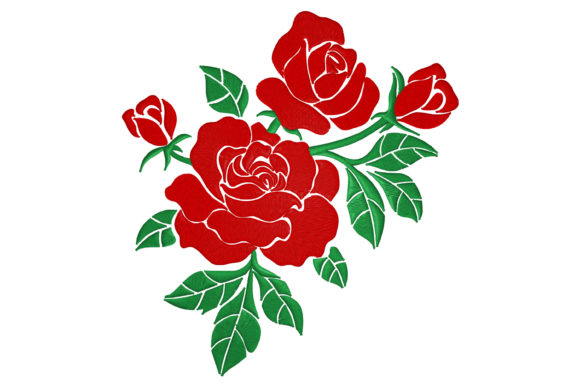
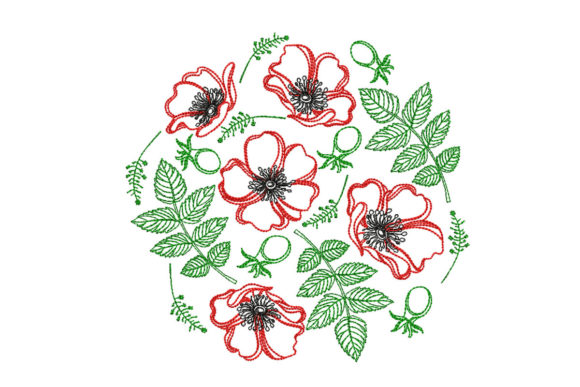
The moment you open the file preview, the Poppy design communicates a clear intent: elegance with a touch of rustic charm. The name suggests bold reds or deep crimsons, but because this is a machine embroidery design, the true character lies in how the stitches interact with fabric. Visually, the flowers are arranged in a naturalistic cluster rather than a rigid geometric pattern. This gives the design a softer, more organic feel that translates well to wearable art.
For designers looking to create custom apparel or boutique merchandise, the mood of this piece is highly adaptable. It feels appropriate for spring collections, bridal accessories, or even cozy autumn layers depending on your thread selection. The detail level appears sufficient to catch the eye without becoming muddy when stitched out at smaller scales. However, the decorative appeal relies heavily on the quality of the satin stitch edges and the smoothness of the fill stitch areas. In my experience, designs that claim to be "good for any occasion" often suffer from being too plain; Poppy manages to avoid this by offering enough texture to look expensive, yet simple enough to not overwhelm a garment.
Performance in Real-World Projects
I evaluated Poppy across several common product categories to see where it truly shines. The product description highlights dresses, blouses, and outerwear, but I believe its versatility extends further.
- Apparel and Outerwear: The design works beautifully on women’s blouses and t-shirts. On heavier fabrics like denim jackets or raincoats, the flower clusters provide a nice contrast to the utilitarian nature of the garment. It adds a feminine touch to rugged materials, making it a strong candidate for custom apparel lines that blend comfort with style.
- Home Decor and Textiles: While not explicitly marketed as home decor, the bouquet format makes it ideal for pillow covers, kitchen towels, and aprons. A set of embroidered kitchen towels featuring Poppy could easily become a bestseller on Etsy. The repetitive nature of the floral elements allows for creative placement, such as corner accents or central focal points.
- Baby and Nursery Items: For those selling handmade gifts, this design is perfect for baby blankets and nursery wall hangings. The soft floral theme resonates well with parents looking for gentle, timeless aesthetics. When used on cotton muslin or flannel, the design maintains its clarity and does not appear overly aggressive or loud.
- Accessories: Tote bags and caps are popular items for craft fairs. Poppy can serve as a charming tote bag design or a subtle accent on a cap brim. However, curved surfaces require careful hooping, which brings us to practical considerations.
Practical Embroidery Notes and Technical Considerations
No matter how beautiful a design looks on screen, its success depends on execution. Here are some critical factors to consider before adding Poppy to your production queue.
Hoop Size and Stitch Density
Always check the specified hoop size for the file. If the design is large, it may not fit standard small hoops, limiting your options for delicate fabrics. Furthermore, inspect the stitch density. Bouquet designs often involve overlapping petals, which can lead to thick layers of thread. If the density is too high, the fabric may pucker, especially on lightweight materials like silk or thin cotton blends. Conversely, if the density is too low, the design may look sparse and unfinished. I recommend reviewing the file details on the Creative Fabrica product page to confirm these specifications.
Fabric Compatibility
Poppy performs best on stable, woven fabrics. Stretchy knits require extra caution; using the wrong stabilizer can cause distortion. For stretchy fabrics like jersey or sweatshirt fleece, a cut-away stabilizer is usually necessary to maintain shape over time. On dark fabrics, ensure you have adequate thread contrast. Bright whites or pastels might get lost against black denim, whereas vibrant reds or golds would pop beautifully. Always test on scrap fabric to verify colorfastness and visual impact.
Small Details and Lettering
If the design includes tiny lettering or fine details, scrutinize them closely. Small text can become illegible after washing, particularly on items that undergo frequent laundering, such as aprons or dish towels. If you plan to use this for a personalized gift, ensure that any added names or dates are large enough to remain readable. Inspect the small details after stitching to confirm that the needle hasn’t skipped or caused thread breaks.
Impact on Product Value and Brand Consistency
In the world of handmade commerce, presentation is everything. Using a high-quality embroidery file like Poppy directly influences buyer trust. A clean, well-stitched design signals professionalism and care. When customers see a consistent aesthetic across your Etsy listings or shop, they are more likely to return. Poppy’s classic floral motif helps establish a brand identity that is approachable and timeless.
Moreover, the design enhances product photography. Floral patterns photograph well, catching light and adding depth to images. This can improve click-through rates and customer engagement online. For sellers creating printable mockups or digital embroidery files for others to use, Poppy offers a reliable base that appeals to a broad audience. It supports a variety of thread colors, allowing buyers to customize the look while maintaining the core structure.
Final Verdict
Is Poppy worth downloading? Yes, provided you understand its strengths and limitations. It is a solid choice for commercial embroidery projects, particularly for businesses focused on apparel, home goods, and handmade gifts. Its adaptability across different fabric types and product categories makes it a valuable asset in your design assets library.
To ensure the best results, always:
- Test on scrap fabric before committing to final products.
- Confirm the file formats and licensing terms on the Creative Fabrica product page.
- Select appropriate stabilizers based on the fabric weight and stretch.
- Monitor stitch density to prevent puckering.
- Create mockups to visualize the design on various backgrounds and garments.
By paying attention to these details, you can transform a simple digital file into a cherished finished product. Poppy is more than just a flower; it is a tool for creating meaningful, beautiful handmade items that resonate with customers. For designers seeking a reliable, aesthetically pleasing addition to their repertoire, this design delivers on its promise of versatility and charm.