Cute Flowers Embroidery Design Review
As an embroidery designer who spends countless hours testing digital files before they hit the shop floor, I have learned that the difference between a good product and a bestseller often comes down to emotional resonance. Today, I am reviewing the Cute Flowers machine embroidery design. This file promises to add a sweet floral touch to creative projects, positioning itself as fun, easy to stitch, and versatile enough for any fabric. But does it hold up under the scrutiny of real-world production? Can it truly serve as the centerpiece for a profitable line of personalized gifts?
I put this design through its paces by imagining specific customer scenarios. We are looking at how this fits into the current market for handmade goods, specifically targeting Etsy sellers, small business owners, and craft fair exhibitors who need reliable, high-perceived-value designs.
First Impressions: Mood and Aesthetic Appeal
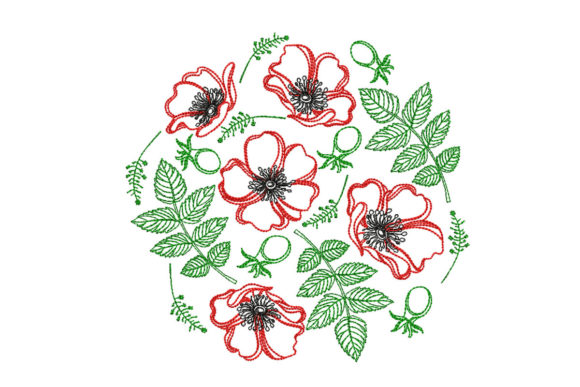
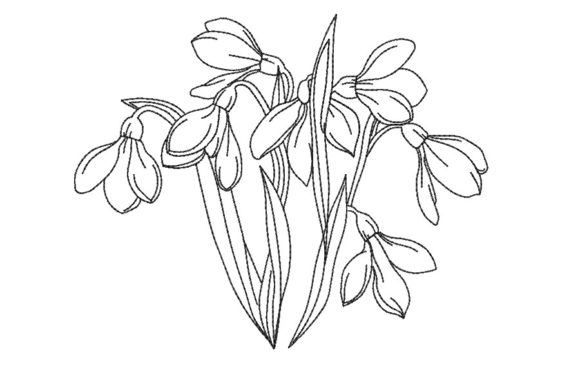
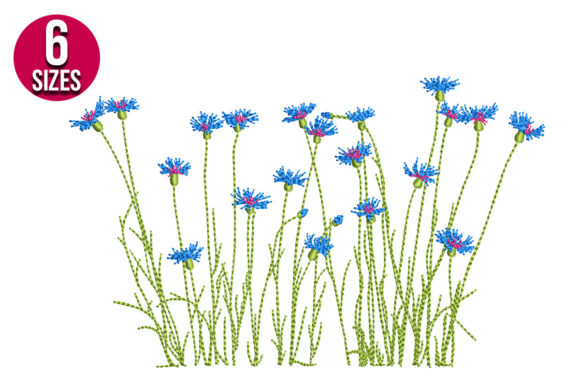
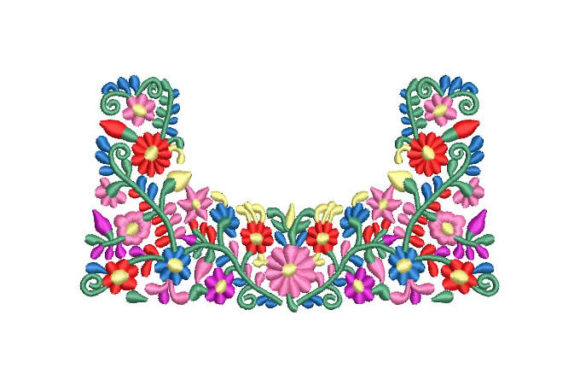
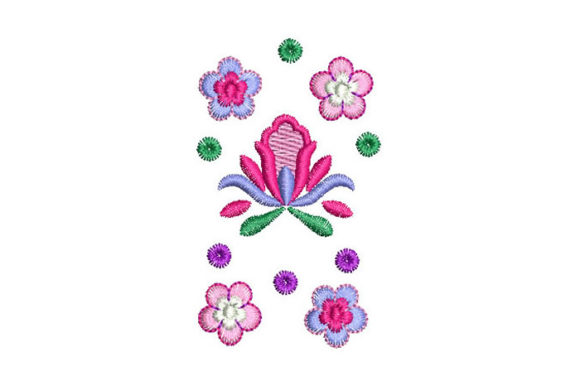
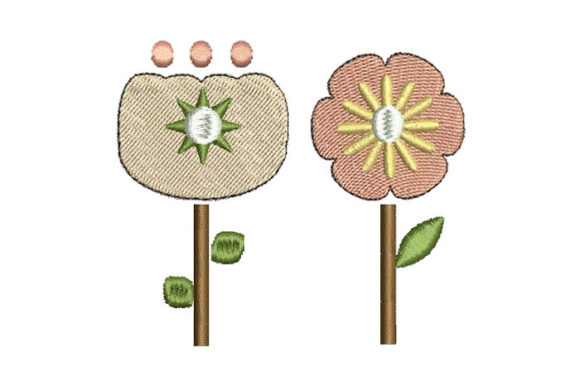
The first thing you notice about Cute Flowers is its approachable charm. In a market saturated with intricate, Victorian-style florals or stark modern minimalism, this design strikes a balance that feels both classic and contemporary. It reads as "sweet" without being overly childish, making it a versatile choice for a wide demographic. The mood is undeniably warm and inviting, which is crucial when selling personalized gifts where the buyer is seeking an emotional connection.
From a design perspective, the detail level appears sufficient to convey texture without requiring excessive digitizing complexity. This suggests that the design will stitch out cleanly on a variety of materials, from soft cottons to slightly heavier linens. For the consumer, this translates to a product that looks professionally made rather than hastily stitched. It evokes a sense of handmade quality that customers are willing to pay a premium for, particularly in the categories of baby products, wedding keepsakes, and home decor.
Application Scenarios for Personalized Gifts
When planning a collection around Cute Flowers, versatility is key. Here is how this design performs across various popular gift categories:
- Baby Embroidery and Nursery Decor: This is perhaps the strongest use case. Parents love subtle, gender-neutral, or softly colored floral accents for nursery items. Using Cute Flowers on a receiving blanket or a muslin burp cloth creates a tender, memorable gift. The design’s simplicity ensures it won’t look cluttered on small surfaces like bibs or booties.
- Wedding Gifts and Keepsakes: For bridal showers or anniversary gifts, this design works beautifully on pillow covers or monogrammed towels. It adds a romantic, timeless element that fits well with traditional wedding aesthetics. It is elegant enough for a formal gift but friendly enough for casual celebrations.
- Kitchen and Home Textiles: An embroidered towel featuring Cute Flowers can elevate a simple kitchen accessory into a thoughtful housewarming present. Similarly, placing this design on a tote bag or an apron creates a functional item that doubles as a statement piece. These are high-volume items for craft fairs and online shops.
- Custom Tote Bags: Totes are a staple for handmade sellers. The floral motif provides a nice contrast against canvas or denim, making the bag feel curated and special rather than mass-produced.
Who Is the Target Customer?
The ideal customer for products featuring this design is someone looking for a heartfelt gesture. Whether it is a new mother, a bride, or a hostess, the buyer wants something that feels personal. The design appeals to those who appreciate "shabby chic" or "cottage core" aesthetics, as well as buyers looking for clean, modern farmhouse styles. By offering customization options—such as adding names or dates—you increase the perceived value and make the product uniquely theirs.
Where to Use Cute Flowers Carefully
While Cute Flowers is versatile, no single design fits every scenario. As a professional, you must be strategic about placement and material selection to avoid disappointing your customers.
First, consider the scale. If the design includes small lettering or very delicate petals, it may not render well on thick terry cloth towels or heavily textured fabrics. The stitches can get lost in the weave, resulting in a muddy appearance. Always test on scrap fabric that matches the weight and texture of your final product.
Second, avoid stretchy fabrics like jersey knit baby clothes unless you are using a heavy-duty stabilizer and have expert-level tension control. Without proper support, the flower shapes may pucker or distort, ruining the clean lines of the design. Similarly, curved surfaces such as hats or fitted garments require careful hooping techniques to prevent distortion.
Dark fabrics also pose a challenge. Depending on the thread colors available in the design, dark backgrounds might require a dense underlay or a light-colored backing to ensure the flowers pop. If the design relies on negative space or fine details, these may disappear against a black or navy background. Light and dark fabric mockups should always be reviewed before committing to production.
Impact on Giftability and Perceived Value
In the world of digital embroidery files, the visual appeal directly correlates to sales potential. A design like Cute Flowers enhances giftability because it triggers positive emotions. When a customer sees a finished product photo featuring these blooms, they immediately imagine the joy of giving it away. This emotional connection drives engagement and trust.
For Etsy sellers and small shop owners, presenting a high-quality finished product is essential. The clarity of the stitches and the harmony of the thread colors contribute to the overall perception of handmade quality. Customers are more likely to leave five-star reviews and recommend your shop if the embroidery looks crisp and professional. Furthermore, a well-executed floral design photographs beautifully, which is critical for social media marketing and listing previews.
Practical Embroidery Notes for Production
To ensure consistency and profitability, follow these practical steps when integrating Cute Flowers into your workflow:
- Test on Scrap Fabric: Never run a full production order without stitching a test sample. Check how the design interacts with your specific brand of thread and fabric.
- Check Thread Color Contrast: Ensure the chosen thread colors provide enough contrast against the fabric. Low-contrast combinations can make the design look flat or invisible.
- Confirm Hoop Size: Verify that the design dimensions fit comfortably within your standard hoop sizes. This helps minimize re-hooping and reduces production time.
- Review Stitch Density: High-density areas can cause stiffness in the finished product, which is undesirable for baby blankets or soft towels. Adjust density settings if necessary to maintain fabric drape.
- Use Proper Stabilizer: Match your stabilizer to the fabric weight. Cut-away stabilizers are generally recommended for woven fabrics and frequent washing, while tear-away may suffice for stable home decor items.
- Check Small Details: Zoom in on the digital preview and then examine the stitched sample closely. Are there any loose threads or gaps? Refine the design file if needed.
- Confirm Commercial Licensing: Before selling finished products, double-check the license terms of the digital embroidery file. Ensure you are permitted to sell physical items created with this design.
By treating Cute Flowers with the same care and attention to detail that you would apply to any custom client request, you can create a line of personalized gifts that stand out in a crowded marketplace. It is a design that speaks to the heart, provided it is executed with precision.