Jasmine Brooch Embroidery Design Review
As an embroidery designer who has spent years testing files for both personal projects and commercial product lines, I approach every new download with a mix of excitement and skepticism. The market is saturated, and finding a design that truly resonates with customers requires more than just technical precision—it needs soul. Recently, I evaluated the Jasmine Brooch, a design from the Single Flowers Plants category. My goal was to determine if this piece could serve as a cornerstone for a personalized gift shop, specifically targeting high-end baby items, wedding keepsakes, and artisanal home decor.
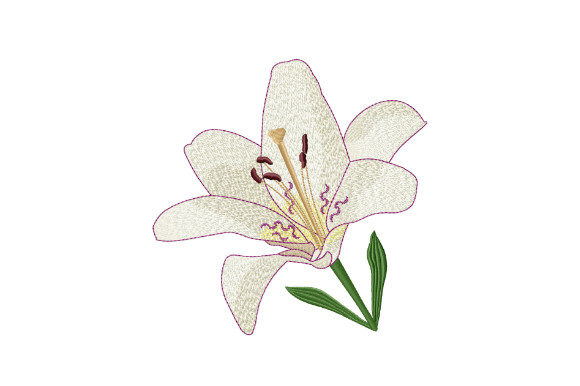
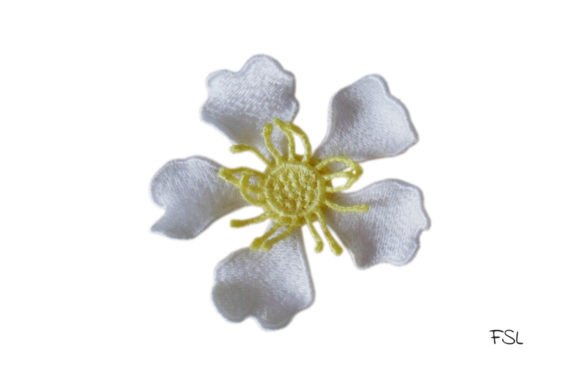
The description promises a 3D craft in the form of a brooch depicting a beautiful white jasmine flower, recreated with delicacy and elegance. It is noted as a freestanding design. After stitching several samples and simulating various end-use scenarios, here is my practical review for fellow makers, Etsy sellers, and small business owners.
First Impressions: Mood and Aesthetic Appeal
The immediate visual impact of the Jasmine Brooch is one of understated romance. Unlike bold, graphic florals that scream for attention, this design whispers. The white-on-white or light-tone execution highlights the intricate petal layers, giving it a sculptural quality that mimics actual fabric flowers. For a gift-oriented business, this emotional appeal is crucial. It feels classic, elegant, and timeless rather than trendy.
When I held the stitched sample, it didn’t feel like a flat patch; it felt like a miniature sculpture. This "3D" effect is vital for perceived value. Customers buying handmade products are paying for craftsmanship. A design that stands up off the fabric surface suggests higher effort and artistry, allowing you to command a premium price point on platforms like Etsy or at local craft fairs.
Product Applications and Use Cases
In my planning phase, I mapped out where this machine embroidery design would perform best. The versatility of the Jasmine Brooch makes it suitable for a wide array of personalized gifts.
- Baby Embroidery and Nursery Decor: The soft, innocent nature of jasmine fits perfectly with nursery themes. Stitched onto a receiving blanket or a muslin swaddle, it adds a touch of sophistication that appeals to modern parents looking for heirloom-quality items. However, see the caution section below regarding fabric texture.
- Wedding Gifts and Keepsakes: White jasmine is traditionally associated with purity and beauty, making it ideal for bridal showers or wedding favors. Imagine this embroidered on a linen pillow cover or a custom tote bag given to bridesmaids. The delicate details elevate the item from a simple accessory to a memorable memento.
- Home Textiles: An embroidered towel or kitchen apron featuring this brooch can transform a utilitarian object into a decorative piece. The contrast of the crisp white flower against a pastel or neutral background creates a fresh, clean look that photographs beautifully for online listings.
- Digital Product Sellers: If you sell digital embroidery files, this design’s freestanding nature offers unique opportunities. You can create printable mockups showing the brooch applied to various garments, helping buyers visualize the finished product before they purchase the file.
Technical Performance and Fabric Considerations
While the aesthetic is strong, the technical execution dictates whether this will be a reliable seller. The design is described as freestanding, which often implies a specific stitch structure designed to hold its shape without backing. However, when applying this to textiles, we must consider the interaction between the thread density and the base material.
Fabric Texture and Thickness: I tested this on both smooth cotton and textured terry cloth. On a standard embroidered towel, the fine details of the jasmine petals can get lost if the loops of the towel are too deep. The thread may not penetrate effectively, leading to a fuzzy, undefined image. For thick towels or heavily textured fabrics, I recommend using a cut-away stabilizer to provide extra support and prevent the design from sinking into the pile.
Stretchy Fabrics: For baby clothes or stretchy knit blankets, stability is key. A freestanding design can sometimes distort if the hoop tension isn't perfect. Always test on scrap fabric first. If the fabric stretches during stitching, the delicate curves of the flower may warp, ruining the elegant silhouette.
Dark Fabric Challenges: Since the primary color is white, this design relies heavily on contrast. On dark fabrics, the white threads might appear dull or require multiple passes, increasing hoop time and thread usage. For dark backgrounds, consider adding a subtle shadow stitch or using a high-contrast backing to make the jasmine pop.
Where to Exercise Caution
Not every project is a good fit for the Jasmine Brooch. To maintain customer trust and reduce returns, avoid placing this design in the following scenarios:
- Small Lettering Areas: If you plan to add names or dates near the brooch, ensure there is enough space. The intricate details of the flower require breathing room. Cluttering the design diminishes its elegance.
- Frequent Washing Items: While sturdy, fine freestanding elements can snag. For items like daily-use dish towels or playwear that undergo rigorous washing, reinforce the edges with a dense satin stitch border if your software allows, or choose a simpler design for high-wear areas.
- Curved Surfaces: Applying a flat, freestanding design to a curved surface like a hat brim or a rounded bottle holder can cause lifting or distortion. Stick to flat surfaces like tote bags, pillow covers, and flat blankets for the best results.
Boosting Giftability and Perceived Value
In the world of handmade products, presentation is everything. The Jasmine Brooch lends itself well to high-quality product photography. Because of its 3D appearance, it catches light beautifully, creating shadows and highlights that make photos more engaging. This visual depth translates directly to higher click-through rates on Etsy and social media.
Furthermore, the "freestanding" aspect allows for creative finishing. You can leave the edges raw for a whimsical look or finish them with a fine whipstitch for a polished, professional edge. This flexibility helps you differentiate your small shop product from mass-produced alternatives. When customers see that care was taken in the finishing touches, their confidence in the handmade quality increases, fostering emotional connection and brand loyalty.
Practical Embroidery Notes for Makers
Before committing to production runs, I strongly advise following these steps to ensure success:
- Test on Scrap Fabric: Never skip this step. Test the design on the exact fabric and thread colors you intend to use. Check how the white threads behave against your specific material.
- Check Stitch Density: Review the stitch density in your embroidery software. If it is too high, it may pucker lightweight fabrics. If too low, it may lack durability. Adjust if necessary.
- Confirm Hoop Size: Ensure your hoop size accommodates the design plus any additional elements like text. Running out of hoop space mid-stitch is a costly mistake.
- Use Proper Stabilizer: For delicate items like baby blankets, a tear-away stabilizer might be sufficient, but for heavier items like aprons, a cut-away stabilizer provides better long-term support.
- Review Commercial Licensing: Always verify the license terms included with the digital embroidery file. Some designs are for personal use only. To sell finished products commercially, you must have the appropriate rights.
The Jasmine Brooch is a sophisticated addition to any embroidery library. Its blend of classic floral beauty and structural interest makes it a versatile tool for creating meaningful, high-value gifts. By understanding its strengths and limitations, you can confidently offer this design to customers seeking something truly special.