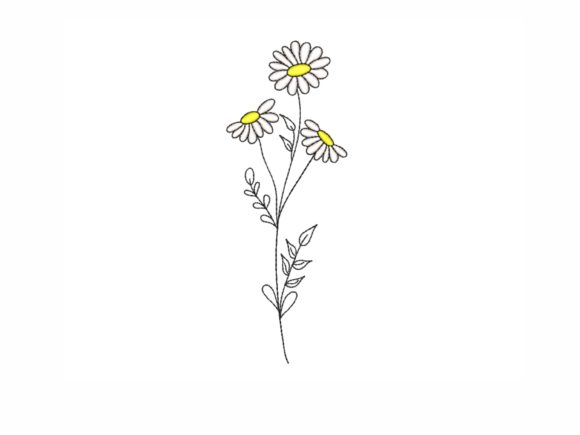
Daisy Embroidery Design Review
As an experienced embroidery designer, I spend my days evaluating how digital files translate into tangible products. When a client asks me to review a design for small business merch, I look beyond just aesthetics. I look at stitch density, scalability, brand alignment, and production viability. Today, I am reviewing the "Daisy" design from the Single Flowers category. The description promises a chic touch and nature-inspired charm, but does it hold up in a commercial setting? Let’s break down this embroidery file from a production standpoint.
First Impressions: Visual Personality and Brand Fit
The title "Daisy" immediately evokes feelings of simplicity, freshness, and approachability. In the world of branding, these are powerful emotions. For a small café, a boutique florist, or a handmade skincare brand, this design offers a friendly yet professional vibe. It is not overly ornate, which suggests versatility. A design that feels too decorative can sometimes clash with a minimalist brand identity, whereas Daisy strikes a balance between classic elegance and modern playfulness.
From a designer’s perspective, the "chic" descriptor in the product info is key. Chic implies a certain level of refinement. If executed well, this machine embroidery design can elevate a basic cotton tote bag or a plain work shirt into a premium branded item. It signals to the customer that the business cares about details. However, the success of this aesthetic depends heavily on thread selection and fabric choice. A dull polyester thread might make a beautiful daisy look cheap, while high-quality rayon or polyester threads will bring out the "pretty touch" promised in the description.
Real-World Business Applications
Where does Daisy shine in a commercial environment? Having tested similar floral motifs across various substrates, I see immense potential in several specific applications:
- Embroidered Patches: This is perhaps the strongest use case. A single flower like Daisy translates beautifully onto iron-on or sew-on patches. These are excellent for customizing denim jackets, backpacks, or caps. The clean lines of a single bloom ensure that even at smaller sizes, the design remains legible and impactful.
- Staff Uniforms and Aprons: For bakery owners, cafe staff, or retail associates, a subtle floral accent adds personality without being distracting. Placing Daisy on the chest pocket of a uniform or near the hem of an apron creates a cohesive team look that feels welcoming to customers.
- Tote Bag Design: Canvas totes are a staple for crafters and Etsy sellers. Daisy works exceptionally well here because it complements the rustic, natural feel of canvas. It reinforces a brand message centered on sustainability, nature, or handmade quality.
- Cap Embroidery: Curved surfaces present challenges, but a simple floral motif like Daisy often performs better than complex text or intricate scenes. It sits naturally on the front panel of a cap, offering a soft alternative to bold logos.
- Product Packaging Accents: While less common, adding a small embroidered patch to gift boxes or shipping bags can significantly enhance unboxing experiences. It turns a standard package into a memorable handmade product moment.
Commercial Embroidery Viability
When considering this as a digital embroidery file for mass production, we must consider efficiency. Designs that require excessive color changes slow down production time. Assuming Daisy uses a moderate number of thread colors, it should be efficient for batch ordering. For brands looking to create design assets for their marketing, this design is also perfect for creating printable mockups. Showing a potential buyer how the daisy looks on a white tee versus a black hoodie helps close sales before the first stitch is even made.
Areas Requiring Caution and Testing
No design is without its pitfalls. As a reviewer, I must highlight where Daisy might struggle if not handled with care:
- Small Patch Sizes: If you intend to produce tiny patches (under 2 inches), the detail may get lost. Fine outlines or thin petals can merge together during stitching. Always test at the actual final size.
- High Stitch Density: Depending on the fill stitches used for the petals, high density can cause puckering on lightweight fabrics like silk or thin jersey. This is crucial for custom apparel that needs to remain comfortable against the skin.
- Fabric Texture: Textured fabrics, such as heavy wool or boucle, can hide the definition of the embroidery. Daisy relies on clear shapes; if the fabric absorbs the stitches, the "chic" look may become muddy.
- Dark Uniforms and Contrast: On dark backgrounds, light-colored threads are essential. If the design includes fine white details, they may disappear against a navy or black uniform unless underlaid properly. Conversely, dark flowers on light fabric need sufficient contrast to stand out.
- Curved Surfaces: While caps are okay, highly curved items like beanies or sleeves can distort the circular symmetry of a flower. The hoop placement becomes critical to avoid stretching the fabric unevenly.
Impact on Brand Identity and Customer Trust
In the era of online shopping, visual consistency is everything. Using a recognizable, high-quality design like Daisy across all touchpoints—from social media graphics to physical merchandise—builds brand identity. Customers associate the tactile experience of good embroidery with quality craftsmanship. When a customer receives a tote bag with a crisp, well-stitched daisy, it subconsciously tells them that the brand pays attention to quality. This enhances customer trust and can justify a higher price point for your products.
Furthermore, floral designs like Daisy have broad appeal. They are gender-neutral enough to attract a wide demographic, yet specific enough to convey warmth and growth. This emotional connection drives buyer engagement and encourages repeat purchases, especially for seasonal collections or limited-edition drops.
Practical Designer Notes for Production
Before you commit to printing or embroidering Daisy for your business, follow these professional steps:
- Test in Black and White: Convert the design to grayscale to check contrast and spacing. If it looks cluttered in monochrome, it will likely look cluttered in color.
- Check Hoop Size and Stability: Ensure the design fits within your machine’s hoop limits. Use the appropriate stabilizer for your fabric type—cut-away for stretchy knits, tear-away for wovens—to prevent distortion.
- Thread Color Contrast: Don’t just guess the thread colors. Swatch them on the actual fabric you plan to use. What looks good on screen may look different in person due to lighting and fabric sheen.
- Inspect Spacing and Outlines: Zoom in on the digitized file. Are the petals spaced adequately? Is there enough negative space to prevent thread breaks?
- Create a Printable Mockup: Before producing inventory, create a realistic mockup to share with clients or stakeholders. This reduces risk and ensures everyone is aligned on the finished product.
- Confirm Commercial Licensing: Most importantly, verify that you have the right to sell products featuring this design. Check the license terms associated with the embroidery file to avoid legal issues.
Ultimately, the "Daisy" design has strong potential for small businesses looking to add a touch of nature-inspired charm to their merchandise. By paying attention to the technical details and testing thoroughly, you can transform this simple floral motif into a powerful tool for brand building and customer delight.