Valentine S Day Embroidery Review
As an embroidery designer who spends weekends hunched over a table at craft fairs, I know that the difference between a design that sits on the shelf and one that flies off it often comes down to visual impact and practical production value. When I first looked at the Valentine s Day machine embroidery design, described as a lovely heart with flowers and green leaves suitable for any fabric, my immediate thought was not just about romance, but about retail viability. For handmade market products, especially during the February rush, you need designs that communicate their theme instantly while offering enough versatility to work across multiple product types.
First Impressions and Visual Appeal
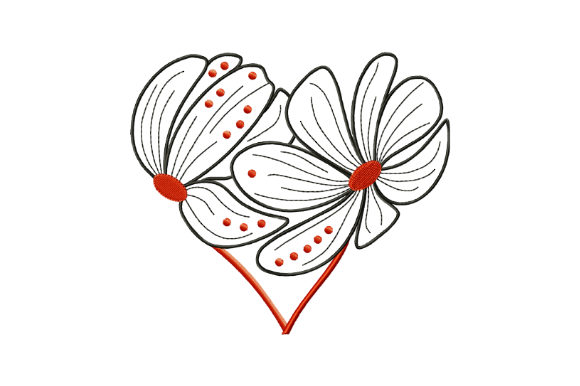
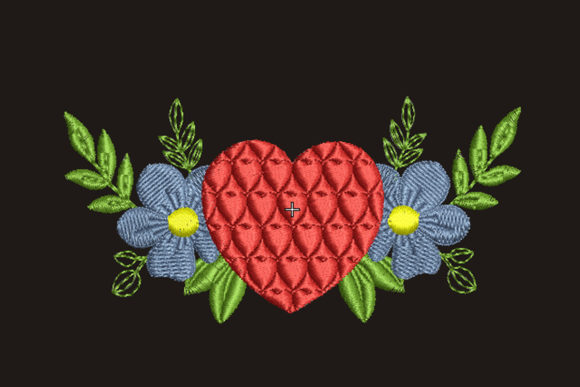
The description highlights a combination of a heart, flowers, and green leaves. From a professional standpoint, this is a classic, safe, yet highly effective composition. It avoids the risk of being too trendy or too obscure. The inclusion of green leaves provides necessary contrast against the traditional reds and pinks associated with Valentine’s Day, making the design feel fresher and more organic rather than flat or cartoonish. This balance suggests a style that leans towards modern rustic or soft farmhouse—a aesthetic that performs exceptionally well in boutique settings and among Etsy sellers looking for items that appeal to a broad demographic, from young couples to older gift-givers.
When evaluating how this design will perform as a craft fair product, the key factor is readability. At a distance, does the heart shape read clearly? Does the floral detail get lost? Based on the description, this design appears to be decorative and balanced. It likely serves best as a focal point rather than a subtle accent. This means it demands space on the garment or item, which influences your choice of base product. A small chest logo might lose the charm of the flower details, whereas a centered placement allows the design to breathe.
Product Versatility for Market Sellers
One of the biggest challenges for embroidery business owners is finding a single digital file that can generate revenue across a wide range of inventory. The claim that this design is "suitable for any fabric" is a strong selling point, but it requires strategic application. Here is how I would evaluate its performance on specific items:
- Tote Bags and Market Bags: These are high-volume sellers. Placing this tote bag design in the center of a canvas tote creates a bold statement piece. The sturdy fabric holds up well to the stitch density often found in floral hearts. It photographs beautifully for online listings, giving buyers a clear idea of the finished product.
- Aprons and Tea Towels: Kitchen textiles are perennial favorites. For apron embroidery, placing the heart near the pocket or centered on the bib works well. On tea towels, the design adds a touch of warmth to the kitchen. However, sellers must consider the texture of terry cloth or waffle weave fabrics, which can distort fine details if the hoop pressure is not adjusted correctly.
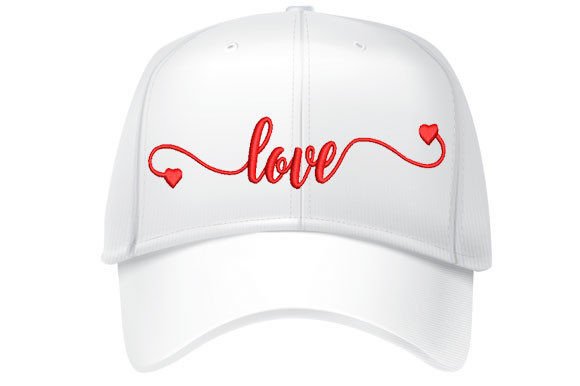
- Caps and Beanies: Curved surfaces present a challenge. If the design is too large or dense, it may pucker on a curved cap front. A smaller version or a patch application might be safer here. Ensure the hoop size accommodates the curve without distorting the stitching.
- Embellished Patches and Pouches: Smaller items like zippered pouches allow for a larger-scale print of the design relative to the item size. This makes the embroidery look premium and detailed. An embroidered patch version could also be sold separately for customers who want to add their own flair to denim jackets or bags.
Photography and Online Presentation
For Etsy sellers and those selling via social media, the visual representation is critical. A design featuring flowers and leaves offers natural color variety that translates well into photos. You can stage these items with complementary props—fresh flowers, coffee cups, or rustic wood backgrounds—to enhance the handmade quality perception. The design’s clean lines and recognizable motif make it easy for customers to visualize the item in their home, reducing hesitation and increasing conversion rates.
Production Practicality and Quality Control
While the concept is sound, the execution determines your profit margin and customer satisfaction. As a designer, I always advise testing before committing to bulk production. Here are the critical technical considerations for this specific design:
- Stitch Density and Fabric Texture: Floral designs can sometimes have dense satin stitches around the petals. If the stitch density is too high for lightweight fabrics like thin cotton or silk, it may cause puckering. Always test on scrap fabric that matches your final product material. For textured towels, ensure the stabilizer chosen is robust enough to support the weight of the threads.
- Thread Contrast: The description mentions green leaves and a heart (presumably red or pink). Ensure your thread selection provides enough contrast against your fabric color. On dark fabrics, white or light-colored underlay might be necessary to prevent the colors from looking muddy. Conversely, on light fabrics, ensure the greens pop and do not blend into the background.
- Detail Clarity: Inspect the design for tiny details. Small flower centers or thin leaf veins can break needles or result in messy stitches if the resolution is low. Check the embroidery file structure to ensure it is optimized for your machine. If the design includes text, verify that lettering remains legible at the intended size.
- Stabilizer Selection: Using the wrong stabilizer is a common mistake. For stretchy knits used in caps or baby items, a cut-away stabilizer is essential to maintain shape over time. For woven cottons used in aprons, a tear-away may suffice, but a wash-away backing can provide a cleaner finish if the design allows.
Batch Production and Commercial Licensing
If you plan to sell finished goods commercially, confirming commercial licensing is non-negotiable. Even if the design is described as suitable for any fabric, the rights to reproduce and sell items made from it depend entirely on the creator’s terms. Many digital embroidery file vendors offer different tiers of licenses; ensure you have purchased the correct tier for your sales volume.
For batch production, consistency is key. Create at least one real mockup using your actual production materials. Compare fabric colors side-by-side under natural light to ensure the thread colors match your brand’s aesthetic. This step saves money by preventing wasted materials on flawed batches. Additionally, consider creating a printable mockup for your online store. This allows you to showcase the design on various products without having to physically embroider every single variation, saving time and resources.
Final Verdict for Craft Fair Success
The Valentine s Day design with flowers and green leaves strikes a strong balance between traditional sentiment and fresh aesthetics. It is versatile enough to adorn small shop products ranging from tea towel embroidery to pillow covers. Its success in a physical booth will depend on how well it is displayed and how clearly it communicates its value through quality execution.
By focusing on proper stabilizer use, testing stitch density, and highlighting the design’s natural beauty in your marketing, you can turn this simple heart motif into a standout finished product. It is not just a decoration; it is a functional piece of art that resonates with buyers looking for thoughtful, handmade gifts. For any creative entrepreneur aiming to capitalize on the Valentine’s Day season, this design offers a reliable foundation for building a profitable and visually appealing collection.