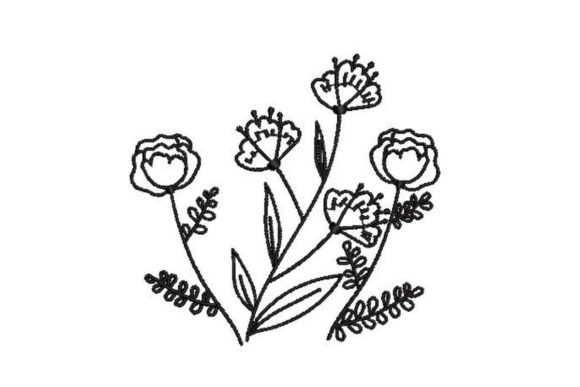
Rose Beautiful Lineart: A Designer’s Review
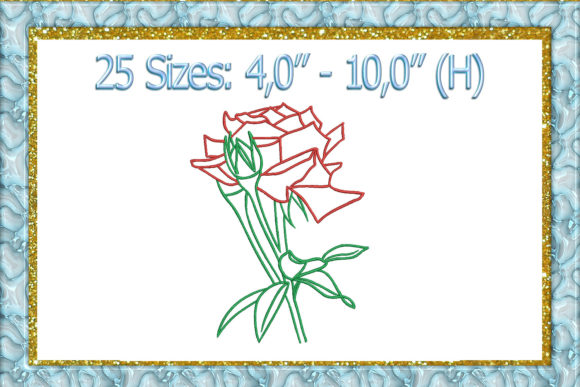
When I am scouting for a new digital embroidery file to add to my library, I am looking for more than just a pretty picture. I need something that translates well from the screen to the hoop, holds up under the stress of production, and adds genuine value to the finished product. That is exactly why I decided to put Rose Beautiful Lineart through its paces. As an outline flower design, it sits in a unique space between delicate illustration and structural embroidery, making it a versatile choice for both hobbyists and serious craft business owners.
This design is not about heavy, dense fills or complex color changes. Instead, it relies on clean lines and negative space to create its visual impact. My first impression was one of modern elegance. The shape feels timeless but current, avoiding the overly vintage or cluttered aesthetics that can sometimes date a handmade product quickly. It has a quiet confidence that works exceptionally well when you want the craftsmanship to speak for itself rather than shouting for attention.
Real-World Application: From Concept to Finished Product
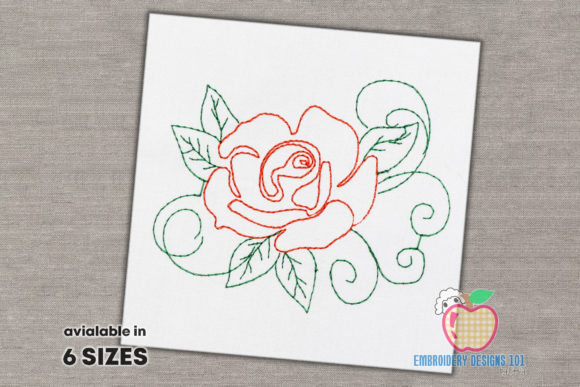
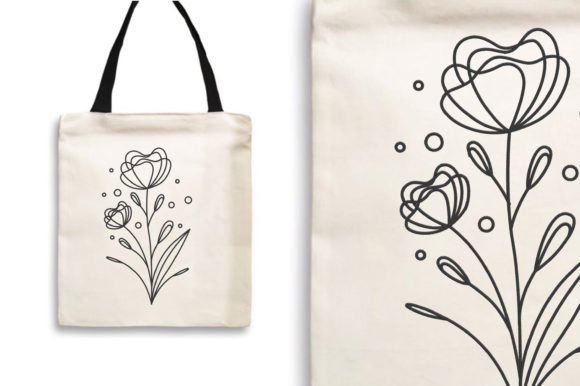
To truly understand how this machine embroidery design performs, I moved past theoretical analysis and stitched it onto actual materials. I started with a standard canvas tote bag, a staple in any Etsy seller’s inventory. The line art style allowed the texture of the fabric to remain visible, creating a layered look where the thread complements rather than obscures the material. When stitched in a crisp white or soft blush thread, the rose popped against the natural beige canvas without feeling heavy or stiff.
I then tested it on a cotton blend sweatshirt, aiming for a minimalist aesthetic often requested by boutique customers. Placed over the heart or centered on the back, the outline structure provided a sophisticated focal point. Because the design does not rely on thick satin stitches covering large areas, it remained flexible and comfortable to wear. This is a crucial consideration for custom apparel; customers are increasingly conscious of comfort, and a bulky embroidered patch can ruin the drape of a garment. Rose Beautiful Lineart avoids this pitfall entirely.
I also experimented with using this as an applique base. While the file itself is line art, the clean borders make it an ideal candidate for combining with solid fabric shapes underneath. Imagine a dark navy satin stitch fill inside the outline of the rose, set against a lighter background fabric. This technique adds depth and dimension, elevating a simple embroidery project into a high-end decorative piece suitable for home decor items like throw pillows or wall hangings.
Performance on Various Fabrics and Projects
The versatility of this embroidery file extends to several different product categories. For baby embroidery projects, such as muslin blankets or burp cloths, the gentle curves and lack of sharp, aggressive angles make it perfect. It conveys warmth and care, which resonates deeply with parents looking for personalized gifts. The design scales beautifully, meaning whether you are working with a small 4x4 hoop for a onesie or a larger hoop for a blanket, the proportions remain balanced and aesthetically pleasing.
In the realm of commercial embroidery, specifically for branded merchandise, this design offers a professional touch. Small shop owners often struggle to find designs that look premium without being overly expensive to produce. Because Rose Beautiful Lineart uses less thread than fully filled designs, it reduces production time and material costs while maintaining a high perceived value. It is an excellent choice for aprons used by local bakeries, kitchen towels for holiday gifts, or even embroidered patches for denim jackets and backpacks.
For digital product sellers, this design serves as a strong asset. Its clean lines render clearly in printable mockups, allowing you to showcase the potential of the design before a customer buys the physical item. Whether you are selling the digital embroidery file itself or offering a service to create custom apparel, having a design with such clear visual communication helps build trust with buyers who may be unfamiliar with embroidery techniques.
Strategic Considerations and Potential Pitfalls
While Rose Beautiful Lineart is highly adaptable, there are specific scenarios where caution is required. Embroidery is a tactile medium, and certain fabric choices can challenge even the best designs. On textured fabrics like heavy tweed or bouclé, the fine lines of the outline may become lost or distorted. In these cases, the stability of the fabric might cause the needle to deviate slightly, resulting in a less sharp image. It is always advisable to test the design on scrap fabric first to ensure the stitch density and tension work harmoniously with the specific textile.
Stretchy fabrics present another challenge. Without proper stabilization, the lines of the rose may pucker or warp as the fabric stretches during stitching. Using a cut-away stabilizer is recommended for knit fabrics to maintain the integrity of the design over time. Additionally, when embroidering on curved surfaces like caps or hats, the perspective shift can alter how the symmetry of the rose is perceived. You may need to adjust the placement or scale to ensure it looks intentional and balanced on the three-dimensional object.
Dense stitch areas are generally avoided in line art, but if you plan to combine this design with other elements, be mindful of the overall weight. Too many overlapping designs can create a stiff, unyielding final product. Furthermore, when choosing thread colors, contrast is key. On dark fabrics, a light thread will stand out dramatically, but you must ensure the line width is sufficient to remain visible after washing. Frequent washing can cause slight fraying or fading, so selecting high-quality polyester threads is essential for longevity.
Designer Notes for Optimal Results
Before committing to a full production run, I recommend reviewing the stitch density and confirming the hoop size limits of your machine. While this design is likely efficient, verifying the technical specifications ensures smooth operation. Inspect small details closely; sometimes, what looks like a continuous line on screen may break apart due to thread breaks or tension issues. Testing in black and white mockups can help you evaluate the composition’s balance independent of color distractions.
Comparing light and dark fabric backgrounds is another smart step. A design that looks airy and light on white may appear bold and graphic on black, changing the emotional tone of the piece. Ensure you have the proper stabilizer ready—tear-away for wovens and cut-away for knits—to support the structure of the outline. Finally, always confirm licensing terms if you intend to sell finished items. Understanding whether this is a personal use only file or a commercial embroidery license protects your business and respects the creator’s rights.
Ultimately, Rose Beautiful Lineart is a thoughtful addition to any designer’s toolkit. It bridges the gap between artistic expression and practical manufacturing, offering a refined look that appeals to a wide audience. By paying attention to fabric selection, stabilization, and finishing touches, you can leverage this design to create memorable handmade products that resonate with customers and elevate your brand presence.