Reviewing Rosemaling Vertical Border for Real Projects
As a designer who spends more time looking at stitch density charts and fabric swatches than scrolling through social media feeds, I approach every new embroidery file with a mix of curiosity and skepticism. We have all seen designs that look stunning in a digital preview but fall apart when the needle hits the thread. Today, I am putting Rosemaling Vertical Border to the test. This is not just about whether it looks pretty; it is about whether it works as a functional, sellable asset for your craft business or personal studio.
The concept is simple: a vertical border featuring traditional rosemaling flowers. In the world of machine embroidery, borders are often treated as afterthoughts—filler elements used to frame text or complete a layout. However, this design has the potential to stand on its own. My goal here is to evaluate how this embroidery project translates from screen to hoop, specifically looking at its viability for custom apparel, home decor, and small business merchandise.
First Impressions and Visual Personality
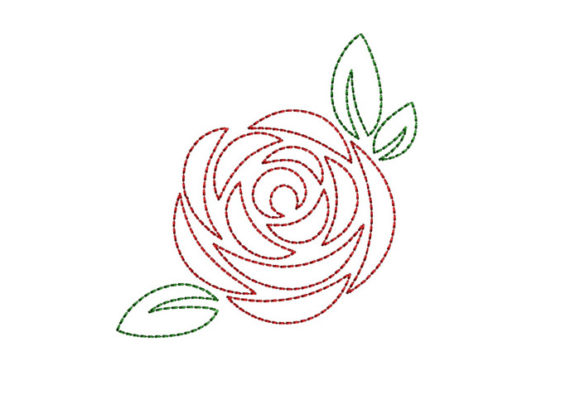
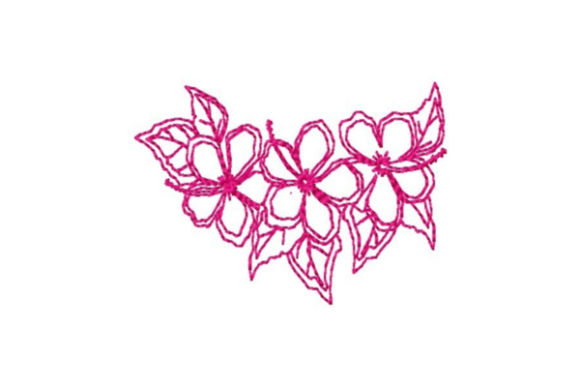
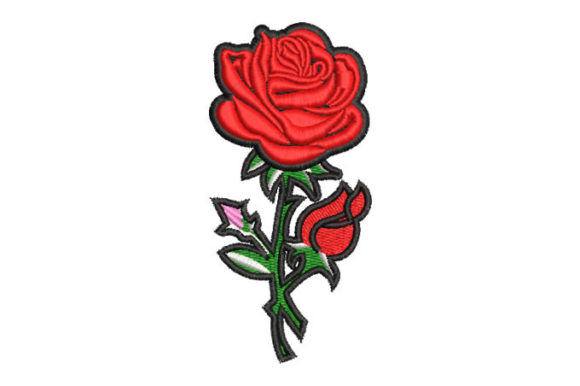
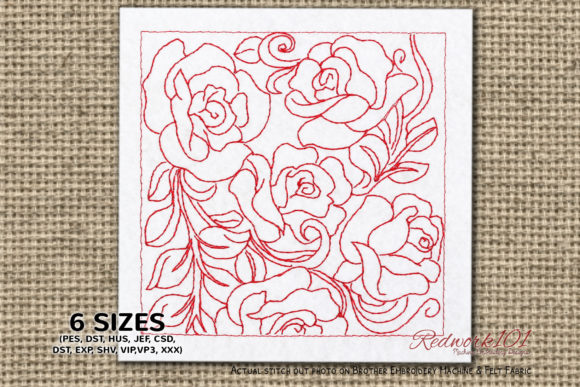
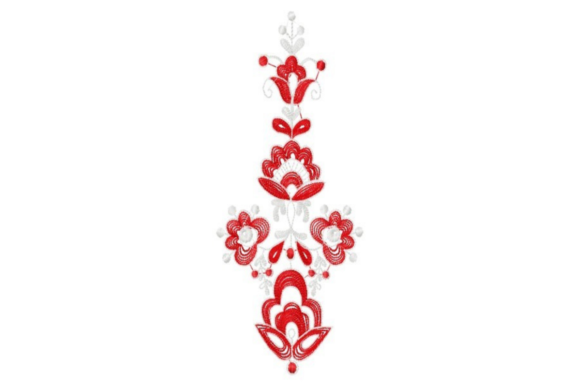
When you first load an embroidery file, the layout dictates everything. The vertical orientation of Rosemaling Vertical Border suggests immediate utility. It screams "towel," "apron," or "side panel." Unlike horizontal borders that wrap around garments, this design feels anchored and deliberate. The rosemaling motif, with its delicate floral curves and folk-art roots, brings a specific mood: nostalgic, warm, and distinctly handmade.
From a design perspective, the visual weight is balanced. It does not feel cluttered, which is a common pitfall with dense floral patterns. Instead, it offers breathing room between the blooms. This is crucial because it allows the eye to travel down the length of the design without getting lost. For an Etsy seller or craft business owner, this clarity is a selling point. Customers can easily visualize how this will look on a tea towel hanging in their kitchen or stitched onto the side of a canvas tote bag. It feels less like a generic clip art and more like a curated design asset.
Real-World Application: The Tote Bag Scenario
To truly judge an embroidery design, you have to imagine it on a product. Let’s say you are preparing a batch of custom canvas tote bags for a holiday market. You want something that says "handmade with care" but isn’t overly complicated to produce. Placing Rosemaling Vertical Border along one side seam of the bag is a brilliant move.
Why? Because it utilizes negative space effectively. The rest of the bag remains clean, allowing the border to act as a sophisticated accent rather than overwhelming the entire surface. When customers see this on a finished product, they perceive higher value. The intricate nature of the rosemaling style suggests skill, which builds customer trust. It transforms a plain $10 tote into a $35 boutique item. This is the kind of strategic placement that separates hobbyists from professional apparel decorators.
Similarly, consider this design for personalized gifts. Imagine a set of matching kitchen towels for a housewarming gift. Stitching this vertical border down the center or along the hem adds a touch of elegance that mass-produced linens lack. It elevates the finished product from utilitarian to decorative. For digital product sellers, creating printable mockups of this design on linen textures can drive significant engagement, as buyers can immediately see the texture and depth.
Performance and Technical Considerations
While the aesthetic is strong, we must talk about execution. Not all fabrics play nice with detailed floral designs. Here is where my experience as a reviewer comes in: you need to be strategic about where you place Rosemaling Vertical Border.
- Fabric Choice: This design likely relies on a mix of satin stitch for outlines and fill stitch for the petals. These stitches perform best on stable, woven fabrics like cotton, linen, or denim. Avoid stretchy knits unless you are using heavy-duty stabilizer, as the tension may pucker the fabric. Thin fabrics, such as voile or sheer chiffon, might show too much backing or tear under the needle’s movement.
- Hoop Size Constraints: Because this is a vertical border, ensure your machine’s hoop size accommodates the full height. If the design is taller than your standard 4x4 or 5x7 hoop, you will need to rehoop or use a larger frame. Always check the dimensions before starting production to avoid mid-project disasters.
- Thread Contrast: The beauty of rosemaling lies in its color palette. Typically, these designs feature reds, blues, and greens against a neutral background. If you are stitching on dark fabric, you must choose high-contrast thread colors. A light pastel flower on black denim might get lost. Test your thread colors on scrap fabric first to ensure visibility.
Where to Use It Carefully
There are certain applications where this design requires caution. For instance, while it looks charming on an apron, placing it on a curved surface like a baseball cap can be challenging. The vertical lines may distort if the curvature is too sharp. Similarly, if you are planning to use this for an embroidered patch, ensure the border is thick enough to withstand fraying after washing. Delicate corners in the floral pattern might snag if the stitch density is too low.
Also, consider the end-user. Products that require frequent washing, such as baby clothes or kitchen towels, benefit from robust stitch structures. If the design includes long floating threads or tiny, isolated details, they may wear down over time. Inspect the digitization for any weak points. A professional review always involves checking how the design holds up to the rigors of real life, not just how it looks on day one.
Practical Designer Notes for Success
Before you commit to a large run of commercial embroidery items, follow these practical steps to protect your reputation and your materials.
- Test on Scrap Fabric: Never stitch directly onto your final product. Use a piece of the same fabric type to check for puckering, tension issues, or color bleeding.
- Check Stabilizer Compatibility: Depending on your fabric, you may need cut-away or tear-away stabilizer. The wrong choice can ruin the drape of the garment or leave residue behind.
- Review Stitch Density: High-density areas can make fabric stiff. If you are making a soft baby blanket, ensure the fill stitches are not so dense that they reduce comfort.
- Black and White Mockup: Convert your design to grayscale to check contrast. Sometimes colors look good together on screen but lack definition when stitched.
- Confirm Licensing: If you plan to sell the finished goods, verify the commercial use rights of the machine embroidery design. Some files are for personal use only, and violating these terms can lead to legal issues.
Final Verdict
Rosemaling Vertical Border is a versatile, aesthetically pleasing addition to any library of design assets. It bridges the gap between traditional folk art and modern machine embroidery trends. For small shop owners looking to add a touch of warmth to their inventory, this design delivers. It works beautifully on tote bag design projects, sweatshirt embroidery accents, and holiday embroidery collections.
However, success depends on preparation. Treat it with the respect due to a detailed floral pattern: choose the right fabric, secure it properly, and test thoroughly. When executed well, this border does more than just decorate; it tells a story of craftsmanship. That is what drives sales in the handmade product market. Buyers are not just buying a towel or a shirt; they are buying the feeling of care that goes into every stitch. With Rosemaling Vertical Border, you have the tool to create that feeling consistently and professionally.