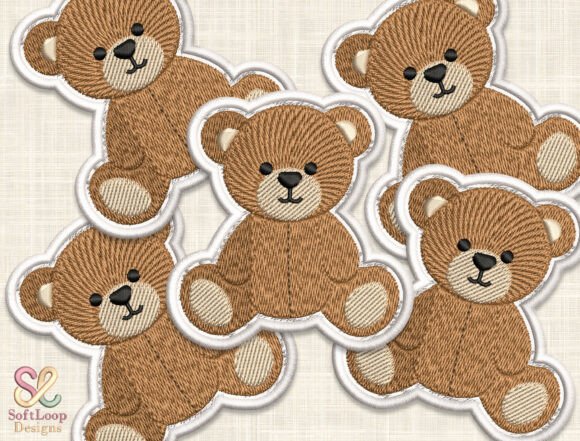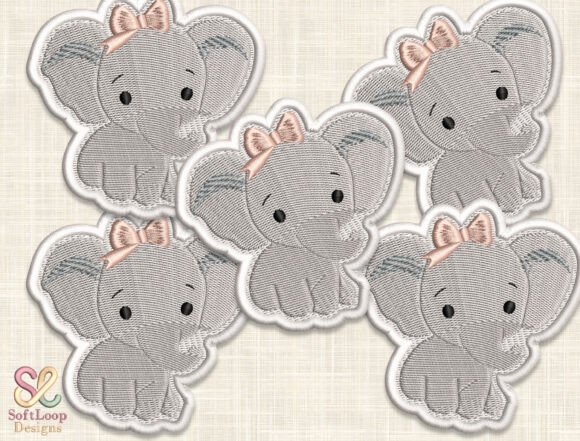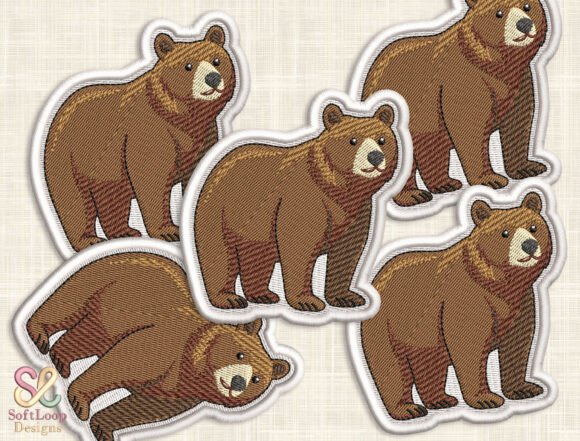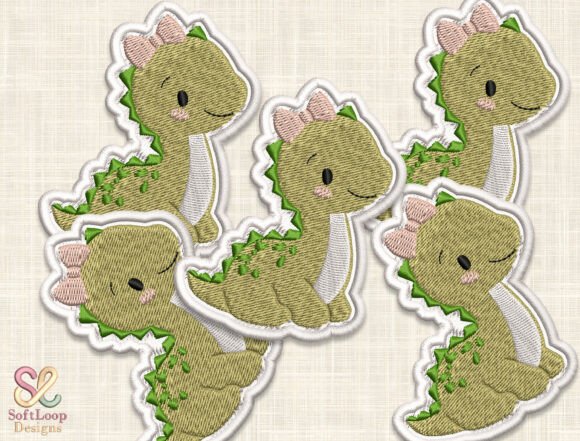
GIRL TEDDY BEAR Patch Embroidery Design Review
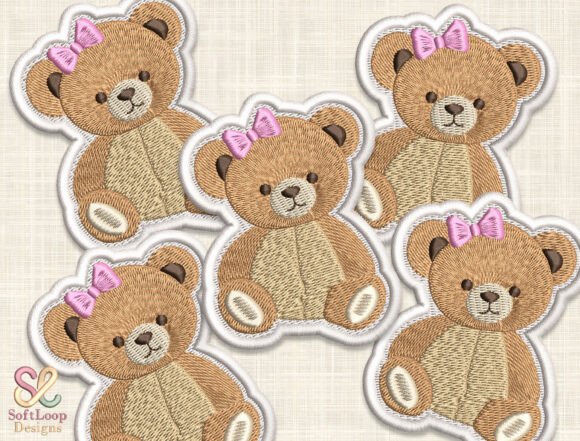
As an embroidery designer who has spent years digitizing files and troubleshooting stitch paths for small business clients, I look at every new design asset with a critical eye. We aren’t just looking for something that looks cute on a screen; we are looking for commercial viability, production efficiency, and brand alignment. Today, I am reviewing the GIRL TEDDY BEAR Patch Embroidery Design. The description promises a sweet, feminine touch featuring a cuddly, honey-brown teddy bear, which immediately signals a specific niche within the broader market.
This review is tailored for small business owners, Etsy sellers, apparel decorators, and handmade brand creators who need to know if this digital embroidery file will hold up in real-world production environments. Whether you are creating branded merchandise for a boutique, custom aprons for a bakery, or patches for a children’s clothing line, understanding the technical and aesthetic implications of this design is crucial.
First Impressions: Visual Personality and Brand Alignment
The GIRL TEDDY BEAR Patch Embroidery Design exudes a playful yet classic energy. When I first analyzed the visual concept described—a honey-brown teddy bear—I envisioned a design that leans heavily into warmth and nostalgia. For brands operating in the Babies Kids category, this is a powerful emotional trigger. However, from a professional standpoint, "sweet" can sometimes translate to "busy" or "fragile" in embroidery if not digitized correctly.
The key here is balance. A honey-brown color palette suggests earthiness and softness, which works exceptionally well for handmade products that aim for a premium, rustic, or organic feel. If your brand identity relies on high-contrast, bold modernism, this design might feel too decorative. But for businesses aiming for customer trust through approachability and charm—such as a local floral shop, a cozy café, or a nursery decor brand—this design hits the right note. It feels professional enough for a uniform but personal enough for a gift item.
Real-World Business Applications
Let’s move beyond the screen and discuss where this GIRL TEDDY BEAR Patch Embroidery Design can generate revenue and enhance brand recognition. In my experience, versatility is the most valuable trait of a design asset.
- Embroidered Patches: This is perhaps the strongest use case. The design’s likely circular or contained composition makes it ideal for iron-on or sew-on patches. These can be sold as standalone accessories or applied to denim jackets, beanies, and tote bags by your customers.
- Apron Embroidery: For small bakeries, craft studios, or home goods shops, branding your staff uniforms adds a layer of professionalism. Placing this design on the chest pocket of a white or neutral apron creates a memorable visual cue without overwhelming the garment.
- Cap Embroidery: A teddy bear motif translates surprisingly well to cap fronts, especially for youth-focused brands. It offers a softer alternative to traditional logos, helping brands stand out in a crowded market of sports caps and plain beanies.
- Tote Bag Design: Canvas tote bags are a staple of small business merch. This design provides a focal point that encourages purchase. It pairs well with simple typography to create a complete graphic tee or bag look.
- Product Packaging Accents: Don’t overlook the unboxing experience. A small embroidered patch on a gift tag or a direct-to-garment label inside a onesie or baby blanket elevates the perceived value of the finished product significantly.
Strategic Placement for Maximum Impact
When integrating this design into your workflow, consider the scale. For custom apparel, smaller placements often yield higher margins because they require less thread and time. Using the GIRL TEDDY BEAR Patch Embroidery Design as a sleeve detail or a back-neck accent allows you to offer subtle branding that appeals to parents who prefer minimalist aesthetics for their children’s clothing.
Technical Considerations and Risk Management
No design is perfect for every application. As a designer, I must warn you about potential pitfalls when using this asset for commercial projects. The description mentions a "cuddly" bear, which often implies rounded shapes and potentially fine details like eyes, noses, or paws. These areas are prone to issues if not handled with care.
You must evaluate the stitch density carefully. High stitch counts on a small patch can lead to fabric puckering, especially on lightweight materials like muslin or thin cotton blends common in baby clothes. If the design is too dense, it may lose definition or become stiff and uncomfortable against a child’s skin.
Another critical factor is thread colors. Honey-brown is a tricky shade to embroider consistently. On dark fabrics, you may need a heavy underlay, which can add bulk. Conversely, on light fabrics, ensure the contrast is sufficient so the bear doesn’t blend into the background. Always test your thread colors against your actual fabric swatches before committing to a large production run.
Be cautious with tiny lettering or intricate outlines. If the design includes text, ensure it remains legible at the size you intend to produce. Small text often turns into a blurry blob after washing. If the design relies on detailed outlines to define the bear’s shape, inspect these lines closely. They should be stable and not prone to breaking during the hooping and stitching process.
Impact on Brand Identity and Customer Trust
Your merchandise is an extension of your brand. Using a cohesive, high-quality design like the GIRL TEDDY BEAR Patch Embroidery Design reinforces your commitment to quality. Customers associate consistent visual language with reliability. When a buyer sees a professionally executed patch on a tote bag or a neatly stitched logo on an apron, it signals that you pay attention to detail.
This design fosters brand identity by tapping into universal feelings of comfort and care. For a small business, emotional connection drives loyalty. A customer who buys a baby blanket with this embroidered detail isn’t just buying a blanket; they are buying a sentiment. This increases the likelihood of repeat purchases and positive word-of-mouth referrals. Furthermore, having a unique design asset helps differentiate your shop from competitors who may be using generic clipart or poorly digitized files.
Practical Designer Notes for Production
Before you upload this file to your machine or send it to a manufacturer, follow these essential steps to ensure success:
- Test in Black and White: Convert the design to grayscale to check contrast levels. If the details disappear, the design may lack the necessary definition for embroidery.
- Check Small Patch Size: Reduce the design to its intended final size (e.g., 2 inches) to see if the elements remain distinct. Fine details often get lost at this scale.
- Review Thread Color Contrast: Ensure the chosen thread colors pop against your target fabric. Low contrast leads to a muddy, unprofessional finish.
- Inspect Spacing: Look at the negative space around the bear. Is there enough room for stabilizer placement? Is the design balanced?
- Confirm Hoop Size: Verify that the design fits within standard hoop sizes to avoid unnecessary trimming or re-hooping, which increases labor costs.
- Test on Real Fabric: Never trust a digital preview alone. Stitch the design on the actual fabric you plan to sell. Check for puckering, thread breaks, or registration errors.
- Use Proper Stabilizer: The choice of stabilizer (cut-away vs. tear-away) depends on the fabric stretch and weight. Incorrect stabilization is a leading cause of failed embroidery projects.
- Create a Printable Mockup: Before producing inventory, create a high-quality mockup for client approval or marketing materials. This helps visualize the final product without wasting resources.
- Compare Beside Other Assets: Place this design next to your other design assets to ensure visual consistency across your product line.
- Confirm Commercial Licensing: Most importantly, verify the licensing terms of the Digital Embroidery File. Ensure you have the right to use this design for commercial sale of physical goods. Do not assume standard licenses cover all business models.
In conclusion, the GIRL TEDDY BEAR Patch Embroidery Design offers a charming, versatile option for small businesses targeting families and children. By approaching it with a strategic mindset—focusing on technical execution, appropriate placement, and clear licensing—you can turn this simple design into a profitable and beloved part of your product catalog. Remember, the difference between a good product and a great one often lies in the details, and in embroidery, those details are made of thread.