Colorful Flowers: A Designer’s Review for Small Business Merch
As an experienced embroidery designer, I spend my days evaluating digital files not just for their aesthetic appeal, but for their commercial viability. When a small business owner or Etsy seller asks me to review a design for branded merchandise, I look beyond the colors. I look at stitch density, scalability, and brand alignment. Today, I am reviewing Colorful Flowers, a machine embroidery design that promises versatility across various fabrics. This review is specifically tailored for apparel decorators, handmade brands, crafters, and product designers who want to turn this embroidery file into profit.
First Impressions: Personality and Professionalism
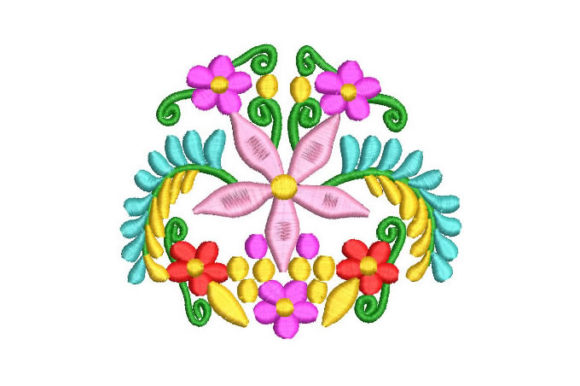
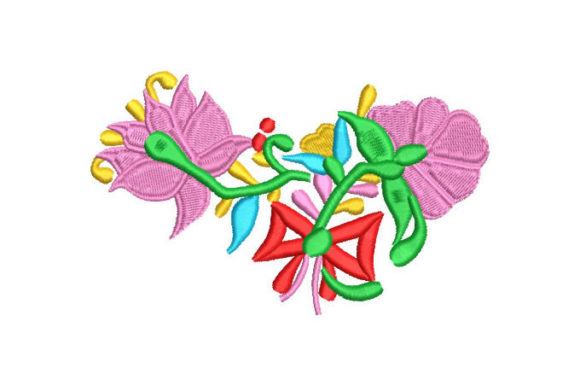
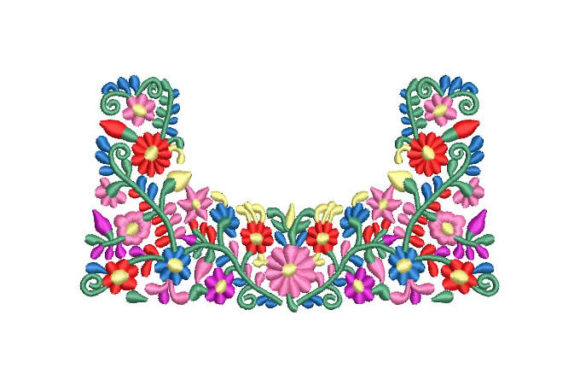
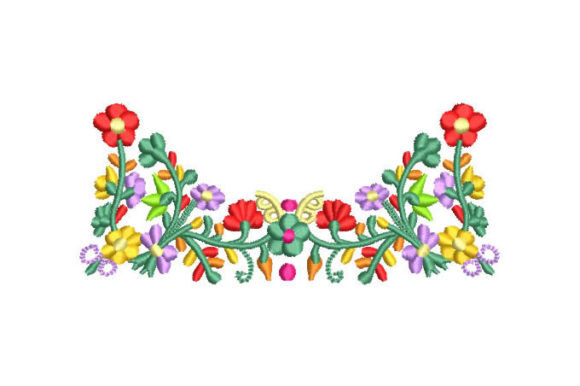
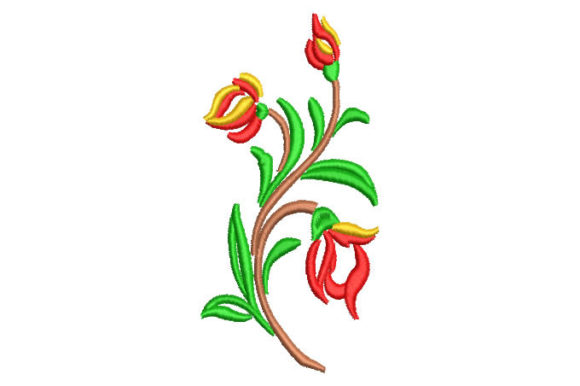
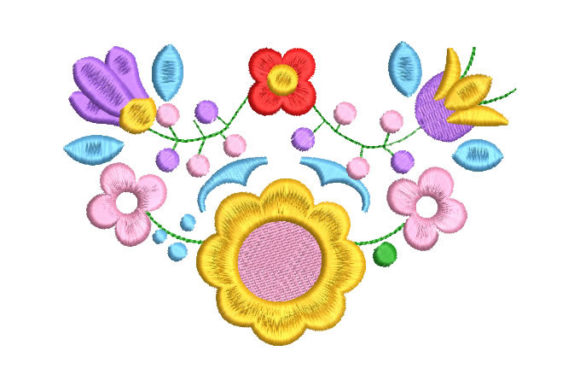
The title "Colorful Flowers" suggests a vibrant, energetic, and welcoming aesthetic. In the world of brand identity, few things are as universally appealing as floral motifs, provided they are executed with intention. From a designer’s perspective, this design feels playful yet elegant. It strikes a balance between rustic charm and modern cleanliness, making it suitable for a wide range of industries.
For a local florist, a boutique bakery, or a creative studio, this design immediately communicates warmth and attention to detail. It does not feel overly corporate or stiff; instead, it offers a handmade product feel that resonates deeply with customers who value artisanal quality. The description notes that it is beautiful on any type of fabric, which is a crucial selling point. However, the true test of a digital embroidery file lies in its application. Does it translate well from screen to fabric? Can it withstand the rigors of daily wear?
Real-World Business Applications
Let’s move past theory and look at how Colorful Flowers performs in real business use. Here is where this design shines for small business merch and branded assets:
- Embroidered Patches: This design is ideal for creating sew-on or iron-on patches. For a pet brand or a local café, a circular patch featuring these flowers can serve as a badge of authenticity. It adds a tactile element to backpacks, denim jackets, or tote bags that stickers simply cannot match.
- Staff Uniforms and Aprons: Imagine a barista wearing a black apron with a subtle, colorful floral accent on the chest pocket. Or a retail associate in a beige work shirt with the design embroidered near the hem. This level of custom apparel elevates staff presentation and fosters team pride. It transforms a generic uniform into a branded experience.
- Caps and Headwear: Cap embroidery is a staple for promotional items. If the design scales well, placing it on the front panel of a baseball cap creates a striking visual. It works particularly well for event merch, trade shows, or seasonal promotions for garden centers and flower shops.
- Tote Bag Design: Canvas totes are perhaps the most effective walking advertisement for a small business. A tote bag design featuring Colorful Flowers appeals to eco-conscious consumers. The vibrancy of the thread colors will pop against natural cotton or linen, reinforcing a connection to nature and sustainability.
- Product Packaging Accents: Don’t overlook packaging. Embroidering this design onto a fabric tag attached to your product packaging adds a premium unboxing experience. It signals to the buyer that you care about every touchpoint of their journey with your brand.
- Etsy Branding and Craft Assets: For sellers on platforms like Etsy, consistency is key. Using this design across your shop’s social media graphics (via printable mockups) and physical products creates a cohesive visual language. It helps build customer trust and recognition over time.
Where to Exercise Caution
Even the best designs have limitations. As a professional, I must advise you to be strategic about where and how you apply Colorful Flowers. Not every surface is created equal.
- Small Patch Sizes: If you plan to produce tiny patches, ensure the design elements are not too intricate. Fine details may merge together if the stitch count is high relative to the size. Always test a 1-inch version before committing to bulk production.
- Curved Surfaces: While caps and sleeves offer curves, extreme curvature can distort the design. Be mindful of how the fabric stretches during the hooping process. A design that looks perfect flat may pucker when applied to a curved hat front.
- High Stitch Density: Check the stitch density of the file. High density can make fabric stiff and heavy, which might be uncomfortable for wearable items like t-shirts or lightweight tote bags. Conversely, low density might show the backing material through on light fabrics.
- Dark Uniforms and Fabric Texture: On dark fabrics, you will need underlay stitches to prevent the base fabric from showing through. Ensure your digitizer has accounted for this. Similarly, highly textured fabrics like chunky knits can hide the intricacies of the embroidery, making the design look muddy rather than crisp.
- Frequent Washing: If this merchandise is intended for frequent laundering, such as kitchen aprons or staff shirts, verify the durability of the threads. Synthetic threads generally hold up better than cotton in washers and dryers.
Impact on Brand Identity and Customer Trust
Embroidery is inherently more premium than printing. It has depth, texture, and longevity. By using Colorful Flowers in your commercial embroidery projects, you are signaling quality to your customers. A well-executed embroidered logo suggests that your business pays attention to detail. This directly impacts customer trust and perceived product value.
Furthermore, embroidery fosters emotional engagement. Customers often keep embroidered items longer than printed ones because they feel more special and durable. This extended lifespan means your brand stays visible for a longer period, enhancing visual consistency and buyer engagement over months or even years.
Practical Designer Notes for Production
Before you hit "start" on your embroidery machine, follow these essential steps to ensure a successful outcome:
- Test in Black and White: Convert the design to monochrome first. This helps you evaluate the composition and spacing without being distracted by the thread colors. If the shapes don’t read clearly in black and white, they won’t read clearly in color either.
- Check Hoop Size and Stabilizer: Confirm the recommended hoop size for the design. Use the appropriate stabilizer for your fabric type—cut-away for stretchy materials and tear-away for wovens—to prevent shifting or puckering.
- Inspect Thread Contrast: Ensure there is sufficient contrast between the thread colors and the fabric. Low contrast can make the design look washed out and unprofessional.
- Create a Printable Mockup: Before producing physical samples, create a printable mockup to visualize the design on your actual product. This allows for client approval and reduces waste.
- Verify Commercial Licensing: Most importantly, confirm the commercial licensing terms for this design asset. Just because you bought the file does not always mean you have the right to sell finished goods made from it. Check the license agreement carefully.
- Compare Against Other Assets: Place this design beside your other design assets to ensure it aligns with your overall brand style guide. Consistency across all touchpoints strengthens your brand narrative.
In conclusion, Colorful Flowers is a versatile and charming addition to any embroiderer’s library. With careful planning regarding fabric choice, stabilization, and sizing, it can become a powerful tool for building a recognizable and trustworthy brand. Whether you are creating unique gifts, professional uniforms, or eye-catching small business merch, this design offers the potential to elevate your products from ordinary to exceptional.