Blooming Lotus Flower Review
As a designer who spends more time looking at stitch density and thread tension than I do drinking coffee, I approach every new embroidery file with a healthy dose of skepticism. The market is flooded with generic floral patterns that look fine on a screen but fall apart under the needle. However, when I first pulled up the Blooming Lotus Flower design from the Single Flowers category, I paused. There is a distinct elegance to this piece that suggests it was crafted with an understanding of both aesthetics and mechanical execution.
I am evaluating this design not just as a pretty picture, but as a viable asset for real-world applications. Whether you are an Etsy seller looking to expand your boutique collection or a crafter preparing personalized gifts, the difference between a good design and a great one often comes down to how it behaves on fabric. Here is my practical breakdown of how the Blooming Lotus Flower performs in actual production scenarios.
First Impressions: Mood and Visual Personality
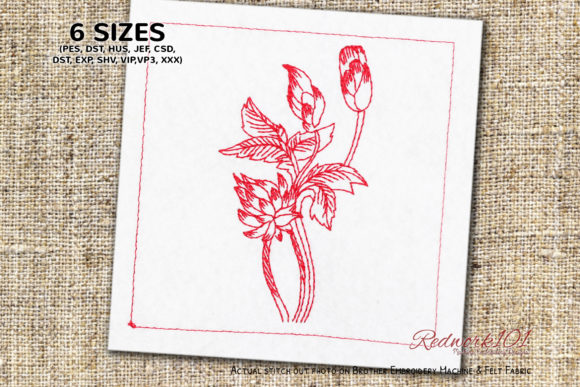
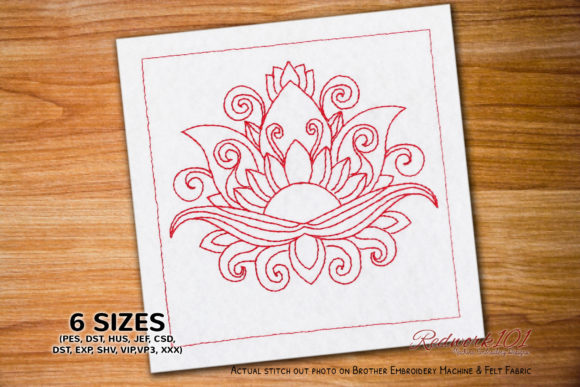
The immediate takeaway from the Blooming Lotus Flower is its intricate yet balanced composition. Unlike many floral designs that rely on heavy, dense fills which can make fabric stiff and unwieldy, this design seems to prioritize flow and grace. The lotus motif naturally carries connotations of purity, renewal, and calm, making it a versatile choice for a wide range of branding identities.
Visually, the petals have a defined structure that allows for clear definition even at smaller scales. This is crucial for designers who need their work to read clearly on small product tags or miniature accessories. The optional Box Stitch mentioned in the description adds a layer of textural interest that can elevate a simple embroidery project into something tactile and premium. It breaks up the monotony of standard satin or fill stitches, giving the finished product a handcrafted feel that customers appreciate. The overall mood is serene but sophisticated, avoiding the overly childish or cliché tropes that plague lower-quality digital assets.
Real-World Application: Where Does It Shine?
To truly understand the value of a machine embroidery design, you have to imagine it on a physical object. Let’s look at a few specific use cases where the Blooming Lotus Flower could drive sales or enhance a personal project.
- Custom Apparel and Sweatshirts: Placing this design on the front left chest of a high-quality cotton sweatshirt creates an instant boutique vibe. The intricate details hold up well against the texture of fleece or heavy cotton, provided the stitch density is appropriate. For a sweatshirt embroidery project, the lotus offers a subtle, artistic accent rather than a loud statement, appealing to customers who prefer understated luxury.
- Tote Bags and Canvas Goods: A tote bag design featuring this lotus would be incredibly popular among craft fair attendees. The natural theme pairs beautifully with canvas textures. When embroidered on a sturdy tote, the design becomes part of the product’s identity, encouraging repeat use and brand visibility. It works particularly well as a central focal point on large canvas panels.
- Baby Items and Nursery Decor: Soft pastels combined with the gentle curves of the lotus make this ideal for baby embroidery. Think onesies, burp cloths, or nursery wall hangings. The design’s clarity ensures that even if stitched in a single light color, the shape remains recognizable. It adds a touch of serenity to a baby’s room, fitting seamlessly into modern, minimalist nursery themes.
- Home Decor and Kitchen Textiles: On tea towels or pillow covers, the Blooming Lotus Flower serves as a wonderful floral accent. The optional box stitch can add a nice contrast against linen or percale fabrics, enhancing the homey, handmade aesthetic that is so popular in current interior trends.
Strategic Considerations and Potential Pitfalls
No design is without its challenges, and being aware of them is what separates professional results from amateur attempts. While the Blooming Lotus Flower is robust, there are specific contexts where caution is required.
Fabric Selection is Key: This design relies on fine detail. If you attempt to stitch it on highly textured fabrics like heavy waffle weave or thick terry cloth, the needle may struggle to penetrate consistently, leading to skipped stitches or distorted geometry. Similarly, stretchy knits require careful stabilization; without proper support, the hoop marks and tension changes can warp the delicate petal shapes. Always test on scrap fabric first to ensure the stabilizer matches the fabric weight.
Scale and Hoop Size: Be mindful of the minimum hoop size required. If you try to scale this down too far, the intricate inner details of the lotus may merge into a blurry blob. Conversely, placing it on curved surfaces like baseball caps can be tricky. The curvature of the cap front may distort the symmetry of the flower unless the design is specifically digitized for curved applications. For embroidered patches or flat items, it performs best.
Color Contrast: The visual appeal of this design is heavily dependent on thread selection. On dark fabrics, you will need a high-contrast thread palette to ensure the details pop. On light fabrics, subtle tonal stitching might get lost. I recommend creating a black-and-white mockup to check the silhouette integrity before committing to a full-color thread plan.
Designer Notes for Commercial Success
If you are using this design for commercial purposes, whether as a craft business inventory item or a digital embroidery file for sale, attention to detail is paramount. Customer trust is built on consistency and quality. A poorly executed stitch job can damage your reputation faster than a bad photo.
- Test Rigorously: Never skip the test run. Check the stitch density to ensure the fabric isn’t puckering. Inspect the corners and overlapping areas for clean transitions.
- Licensing Verification: Before listing any finished product for sale, confirm the licensing terms. Ensure you have the right to sell physical goods made from this design. If you are selling the design assets themselves, ensure the license permits digital distribution.
- Mockup Presentation: When marketing this as a printable mockup or listing on platforms like Etsy, show the design on various backgrounds. Highlight how the optional box stitch adds texture. Use these visuals to demonstrate the versatility of the embroidery project.
- Thread Choice: Experiment with different thread colors to find the most appealing combinations. Metallic threads might add a luxurious touch for wedding gifts, while matte cottons might suit rustic, farmhouse styles better.
Ultimately, the Blooming Lotus Flower is a strong contender for anyone looking to add a touch of refined nature-inspired art to their repertoire. It balances intricacy with wearability, making it suitable for everything from daily-wear custom apparel to special occasion personalized gifts. By respecting its technical requirements and choosing the right substrates, you can create a handmade product that stands out in a crowded marketplace.
For those ready to integrate this into their workflow, remember that the devil is in the details. Take the time to perfect your setup, and this design will reward you with a beautiful, professional result that customers will love.