Amaryllis Single Stitch Pattern Review
As a designer who spends more time looking at stitch lines than actual flowers, I approach every new embroidery file with a mix of optimism and skepticism. The market is saturated with floral designs, so finding one that offers genuine value for both personal crafting and commercial craft business items requires a critical eye. Today, I am evaluating the Amaryllis Single Stitch Pattern, a design marketed as bright, pretty, and perfect for adding spring vibes to your creations. But does it hold up when pulled through fabric, or is it just another pretty picture on a screen?
First Impressions: Mood and Visual Personality
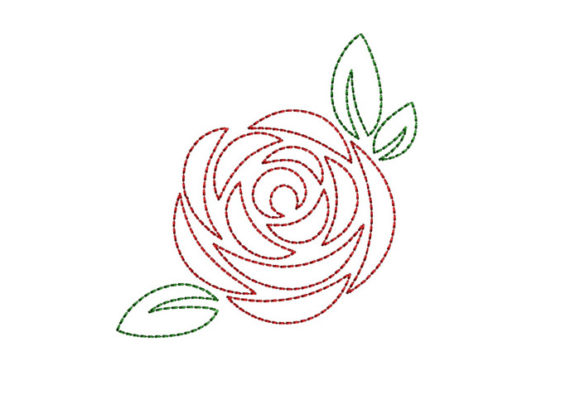
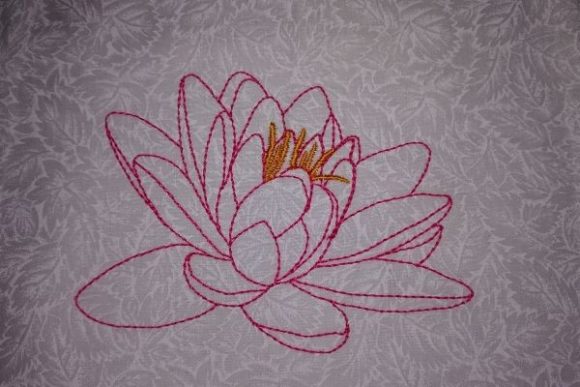
The moment you load the machine embroidery design into your software, the first thing that strikes you is its cheerful energy. Amaryllis is inherently a bold flower, and this pattern captures that essence without becoming overwhelming. It feels less like a delicate wildflower and more like a statement piece. This visual personality makes it an excellent candidate for projects where you want the embroidery to be the focal point.
In terms of layout, the design is clean. It doesn’t clutter the space with excessive filler or unnecessary background elements. For designers working on custom apparel or personalized gifts, this simplicity is a huge advantage. It allows the garment’s fabric texture or color to shine through rather than competing with dense, chaotic stitching. The "single stitch" aspect suggests a lighter touch, which immediately raises questions about stability and detail retention—topics we will dive into shortly.
Real-World Application: From Screen to Stitch
To truly understand how a design performs, you have to imagine it on a finished product. Let’s look at a few scenarios where the Amaryllis Single Stitch Pattern would excel.
- Custom Tote Bags: Imagine a canvas tote bag in a neutral beige or soft pastel. Placing this bright amaryllis on the front center creates an instant boutique feel. Because the design is not overly dense, it won’t weigh down the fabric, keeping the bag functional while still looking high-end. This is a classic Etsy seller bestseller waiting to happen.
- Sweatshirt Embroidery: For fall or early spring collections, a vibrant amaryllis on a heather grey sweatshirt adds a pop of color that feels fresh rather than seasonal. The contrast between the textured fleece and the smooth stitches of the satin stitch petals can create a lovely tactile experience for the wearer.
- Baby Embroidery: While often associated with boldness, a softer thread palette can make this design work for nursery decor or baby blankets. However, caution is needed here regarding fabric choice, which we will discuss later.
- Kitchen Towels and Aprons: Spring cleaning season calls for bright accents. A table cloth or a set of kitchen towels featuring this design can elevate a simple home good into a thoughtful holiday gift or housewarming present.
When I visualize these applications, I see a design that boosts product value. Customers associate well-executed embroidery with quality. If the stitches are clean and the placement is intentional, the buyer perceives higher worth in the item, whether it’s a handmade product sold at a craft fair or a digital asset used by another creator.
Technical Considerations and Potential Pitfalls
No design is perfect, and the Amaryllis Single Stitch Pattern has specific areas where a designer must exercise judgment. The term "single stitch" can sometimes imply a lack of density, which brings us to the issue of stitch density.
If you are planning to use this on stretchy fabric like jersey knits for t-shirts, you must ensure you are using the correct stabilizer. Without adequate support, the light stitch count might pucker the fabric, ruining the clean lines of the flower. Similarly, on textured fabrics like bouclé or heavy wool, small details in the petals may get lost. Always test on scrap fabric first to see how the thread colors interact with the weave of your material.
Another area requiring care is the hoop size. If you are attempting to digitize or place this on a curved surface like a cap or hat, the flat nature of the design might not follow the curve naturally. It could result in uneven tension at the edges. Furthermore, if you are working with dark fabric, you need to verify that your chosen thread colors provide enough contrast. A pale yellow or white amaryllis might disappear against a black background unless you use a high-density underlay or a contrasting backing.
I also advise inspecting the small details closely. In some digital embroidery files, fine lines can become muddy if the machine settings are off. Check the running stitch sections for clarity. If the gaps between stitches are too wide, the design may look sparse rather than elegant. Conversely, if they are too close, you lose the airy feel that makes this design attractive.
Practical Designer Notes for Success
Before committing this design to a final product, especially if you are selling it as part of your commercial embroidery inventory, follow these steps:
- Test on Scrap Fabric: Never skip this step. Different fabric blends react differently to tension and stabilizers.
- Check Thread Contrast: Lay out your thread spools next to your fabric swatch. Does the brightness of the amaryllis pop? Does it clash?
- Review Black and White Mockups: Convert your design preview to grayscale. This helps you assess the balance of light and dark areas without being distracted by color.
- Confirm Hoop Size: Ensure your hoop is large enough to accommodate the design without frequent re-hooping, but small enough to fit your project constraints.
- Inspect Licensing: If you intend to sell the finished physical goods, verify the license terms. Some design assets allow personal use only, while others permit commercial sales of the final product. Do not assume; read the fine print.
Final Verdict: Is It Worth Adding to Your Library?
The Amaryllis Single Stitch Pattern is a strong contender for designers looking to add a touch of spring to their portfolio. It strikes a good balance between visual impact and technical feasibility. It is versatile enough for apparel decorators creating seasonal collections and crafters making unique personalized gifts.
However, its success depends entirely on execution. It rewards careful preparation and proper technique. If you treat it with the respect due to any professional embroidery project, it will deliver a polished, professional result that customers will appreciate. It fits well within the Single Flowers category, offering a reliable option for those times when you need a design that is pretty, effective, and ready to go.
For small shop owners and Etsy sellers, this design can serve as a foundational element in your branding. Pair it with clean typography and minimal packaging, and you have a cohesive brand story. For hobbyists, it offers a satisfying stitching experience that results in a beautiful finished product without demanding hours of complex editing.
In conclusion, the Amaryllis Single Stitch Pattern is not just a decoration; it is a tool for creative expression. Use it wisely, test thoroughly, and let its bright, pretty character bring life to your next embroidery project.